Happy 450th Birthday Rio!

Rio 450On 1 March 2015 the city of Rio de Janeiro celebrated the 450th anniversary of its founding. The date relates to the first time the Portuguese really made an effort to set up a colony in Rio after driving out the French.

The Portuguese Government had first ordered the Governor General of Brazil, Mem de Sá, then resident in Bahia, to expel the French colony in 1560. His fleet entered the harbour of Rio on 21 February 1560, and in just two days he had taken control of the settlement. His job done, Mem de Sá returned to Bahia but without taking the precaution of establishing his own garrison. With Mem de Sá’s departure, the French returned, this time to set up camp on the mainland close to what is today Catete.

It would not be until 1565 that the Portuguese returned to Rio under the command of the Governor General’s nephew, Estácio de Sá, who landed on 1 March of that year (the date of the 450th anniversary)  just west of Sugar Loaf. A bitter two-year struggle then ensued with the French defeated by the arrival of Mem de Sá himself on 18 January 1567. Two days later, on 20 January, Estácio de Sá was mortally wounded by an Indian arrow while in combat with the French settlers and their native allies. With the death of his nephew, Mem de Sá moved the site of the new town to Morro do Castelo, an area in front of what is today Santos Dumont Airport.

For a full history of Rio de Janeiro CLICK HERE
10993435_901566283200247_3084404311263497163_n

Beija-Flor wins carnival 2015

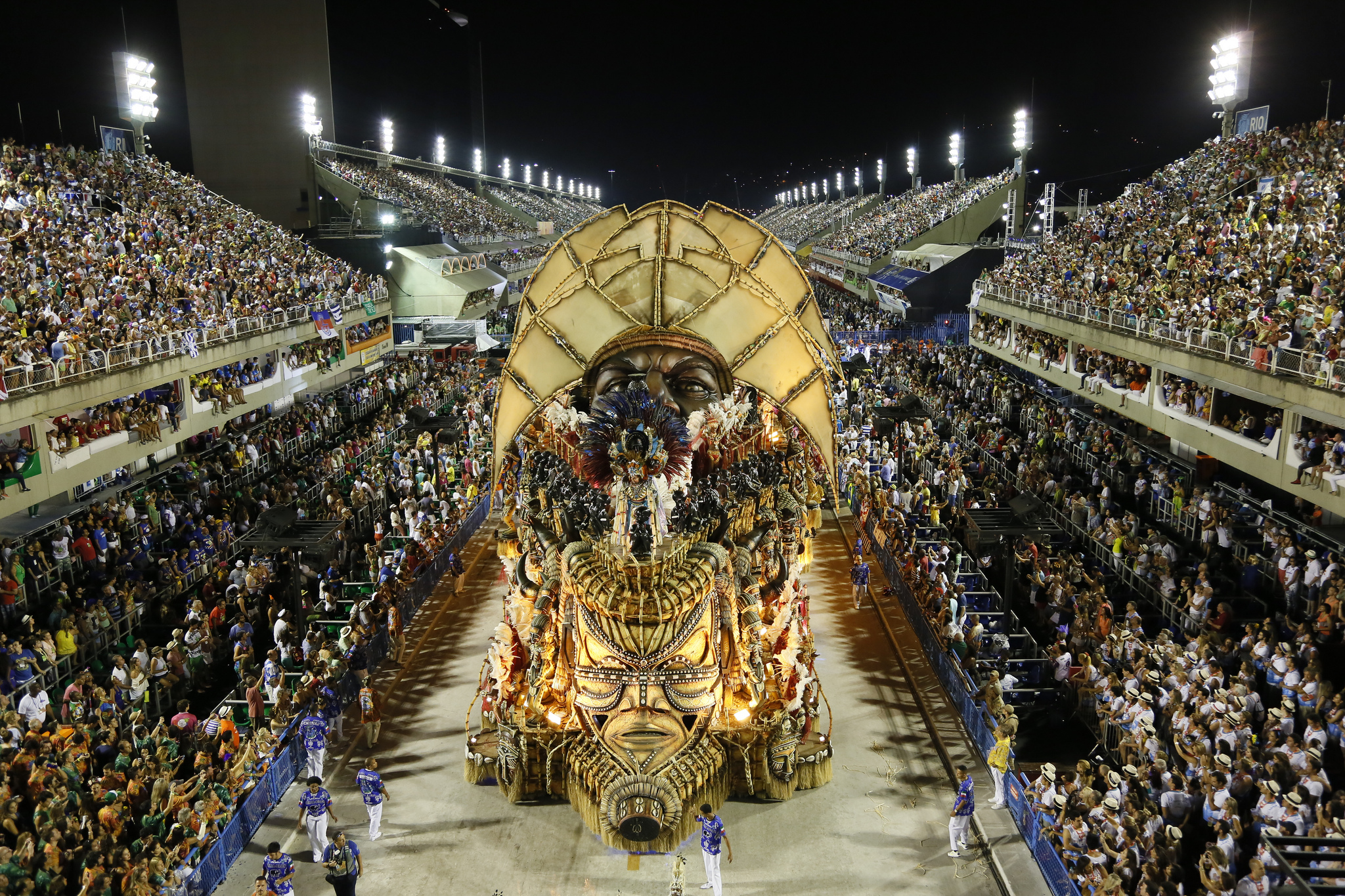
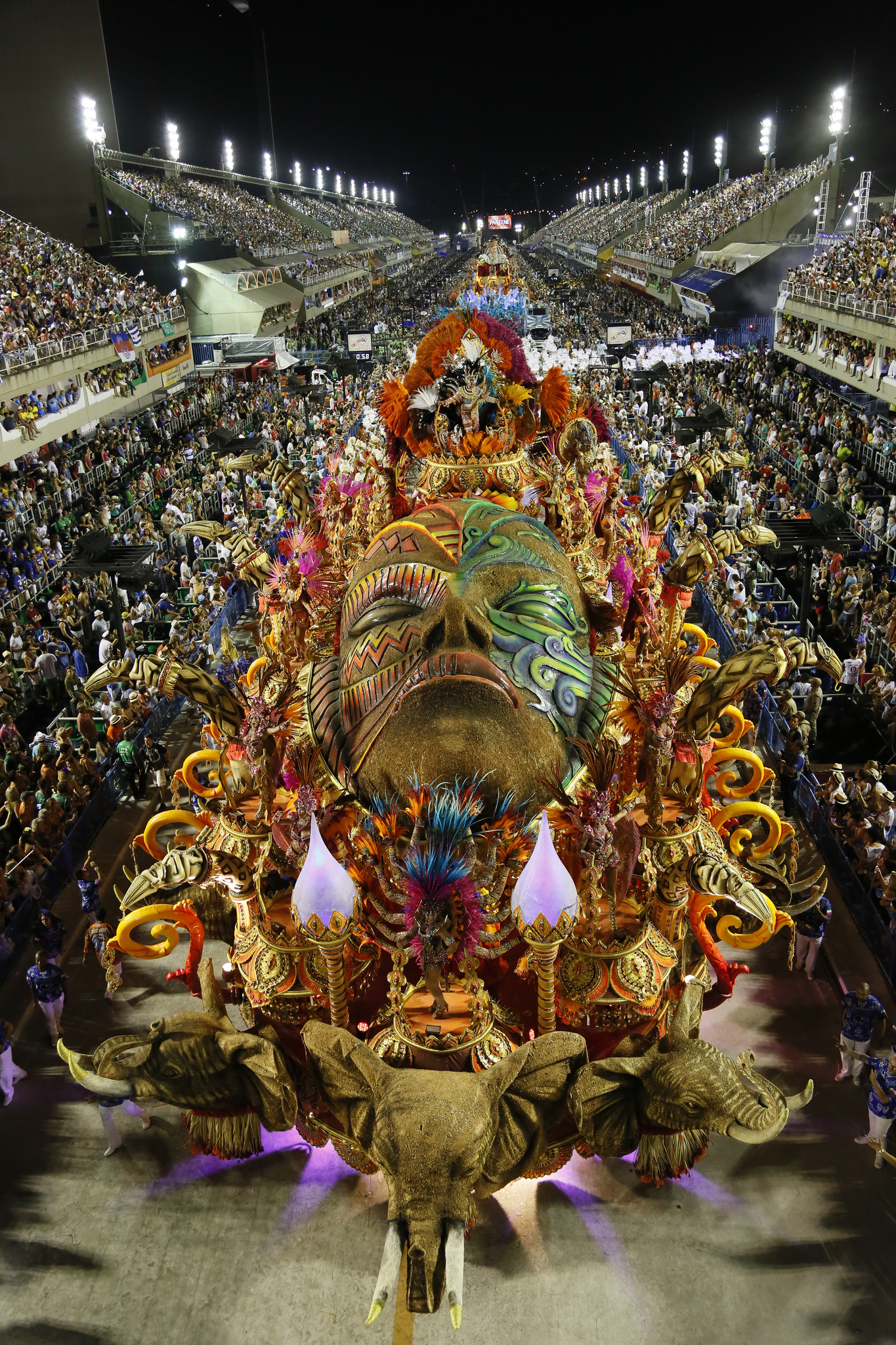
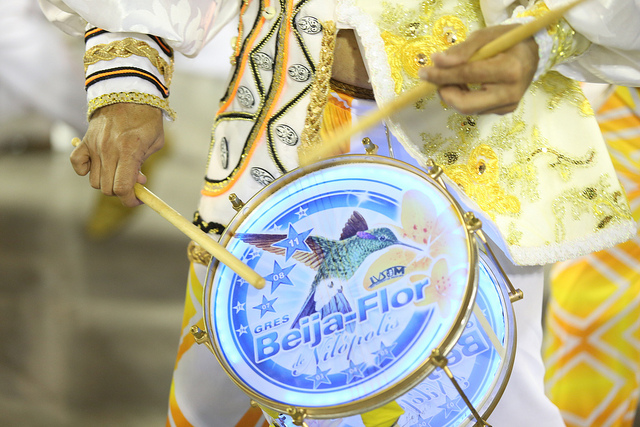
Beija flor 01Beija-Flor (the humming bird) is the champion samba school of Rio’s 2015 carnival with a samba that was based on the historic links between Equatorial Guinea and Brazil. It was one of three schools to choose Brazil’s relationship with Africa as its theme. Viradouro, which also chose Africa, came last and was relegated.

It is Beija-Flor’s 13th carnival title, the first since 2011.

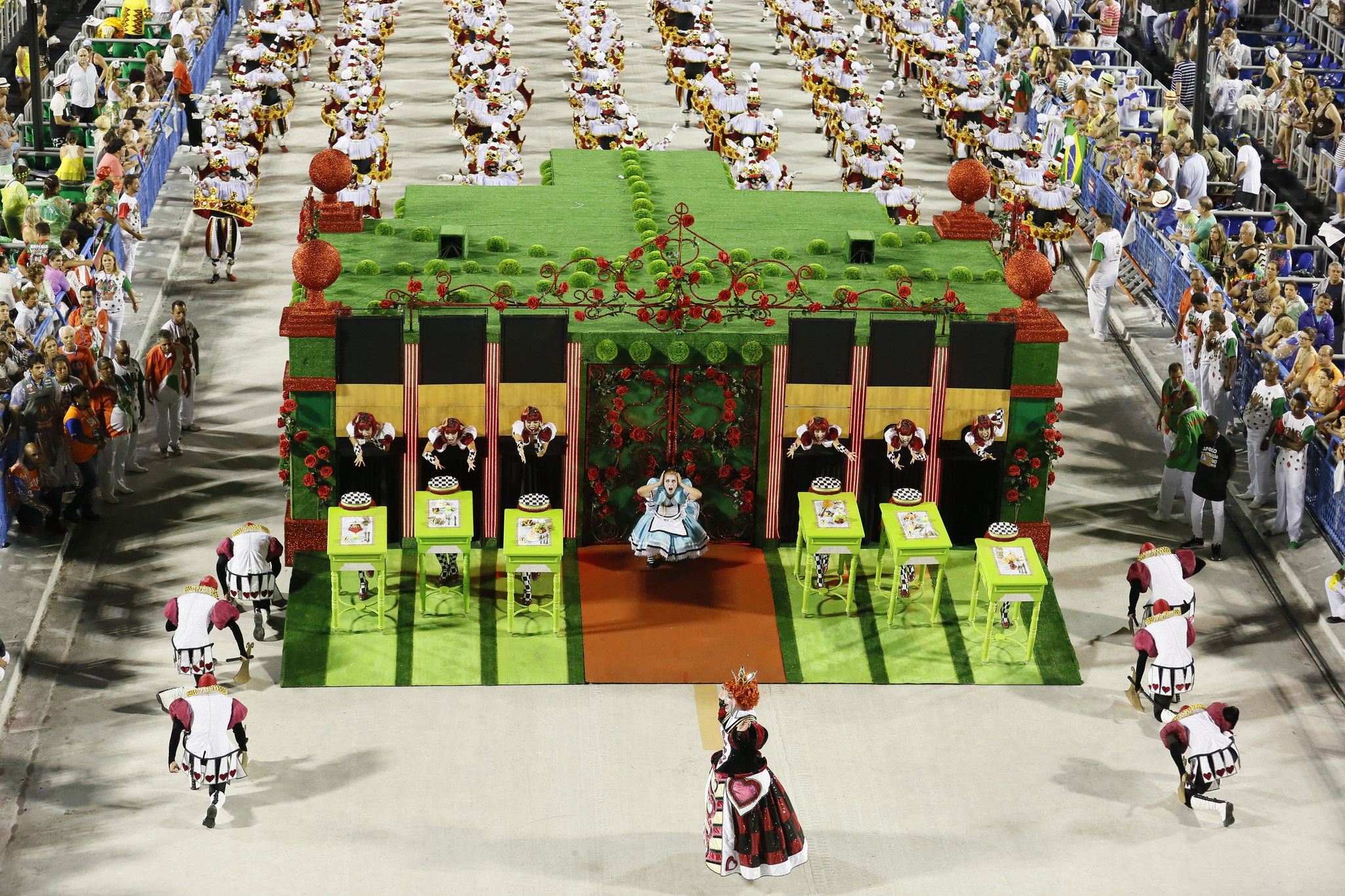
Beija flor 02Salgueiro was runner up with a theme that looked at the tastes and customs of the neighbouring state of Minas Gerais, while in third came Grande Rio who had as its theme cards.

16359408898_0204ce065c_kGrande Rio tied on points with Portela, which looked at 450 years of Rio surreal, and last year’s champion, Unidos da Tijuca, that had a theme based around Switzerland and one of the great characters of carnival, Clovis Bornay.

In a closely fought contest the full results were:

  • Beija-Flor (269.9 points out of 270)
  • Salgueiro (269.5)
  • Grande Rio (269.0)
  • Portela (269.0)
  • Unidos da Tijuca (269.0)
  • Imperatriz Leopoldinense (268.9)
  • Mocidade Independente de Padre Miguel (268.5)
  • São Clemente (268.4)
  • União da Ilha do Governador (267.2)
  • Mangueira (267.1)
  • Unidos de Vila Isabel (266.2)
  • Viradouro (263.7)

Beija flor 04

Brazilian Embassy in London launches a new book club

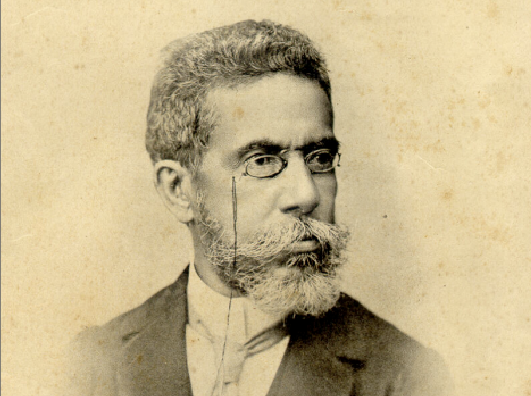
MachadoThe Brazilian Embassy in London’s new book club will be meeting for the first time in January 2015. The idea is that participants should read some of the best-loved classics of Brazilian literature, in Portuguese or English, and then come to monthly meetings at the Embassy to share their thoughts – in English – with fellow readers in a friendly, informal setting.

On the Cultural Section of  the Embassy’s website can be found a short biography of the author of the month, a short history of the book and its translation, details of publication formats, and a set of questions to stimulate thinking about the books.

Dates:

Launch Evening: 15 January 2015 | ‘Quincas Borba’ (1891), by Machado de Assis (image)

19 February 2015 | ‘The Passion According to G.H.’ (1964), by Clarice Lispector

19 March 2015 | ‘Gabriela, Clove and Cinnamon’ (1958), by Jorge Amado

16 April 2015 | ‘Iracema, the Honey-lips’ (1886), by José de Alencar

14 May 2015 | ‘Macunaima’ (1928), by Mário de Andrade

18 June 2015 | (‘Os Sertões’) ‘Rebellion in the Backlands’ or ‘Backlands: The Canudos Campaign’ (1902), by Euclides da Cunha

All meetings from 6.30 to 9pm.

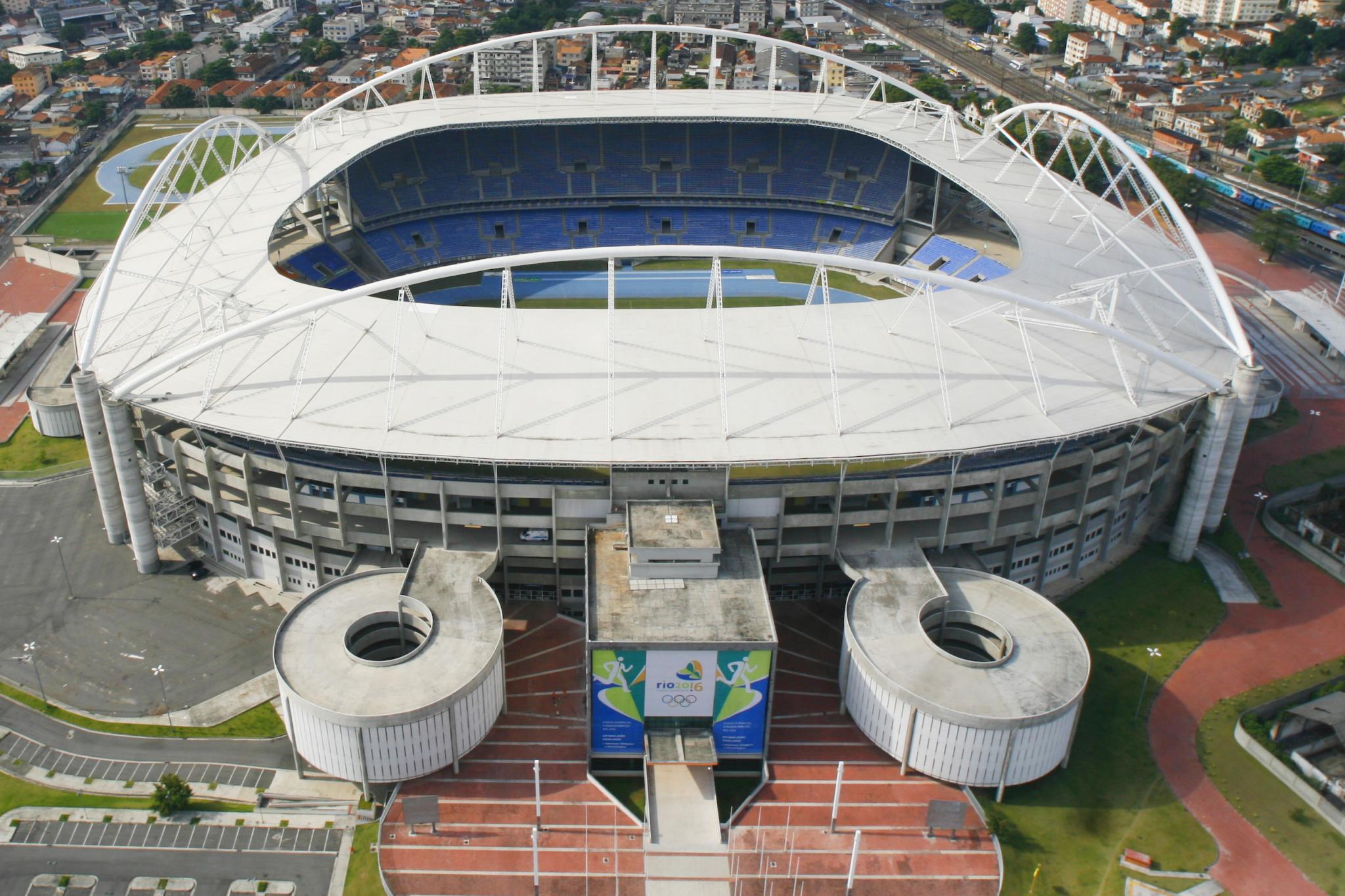
Athletics timetable for Rio 2016 is published

3878422424_4b1997cb3c_o

The IAAF (International Association of Athletics Federations) has released the athletics’ timetable for the Rio Olympic Games in 2016 and it features finals during the morning sessions of the athletics programme.

“Staging finals in the morning was done at the request of the Rio 2016 Organising Committee and the Olympic Broadcasting Service, supported by the International Olympic Committee,” said IAAF competitions director Paul Hardy. “Having finals in the morning will also ensure that we receive maximum visibility for athletics at the Olympic Games across all time zones.”

There is at least one final in all of the morning sessions. All five road events – the two marathons and the three race walk events – will be held in the morning sessions, although both 20km race walks will be in the early afternoon. Other morning finals include the women’s 10,000m, men’s and women’s 3000m steeplechase, men’s 400m hurdles, men’s triple jump, men’s and women’s discus, and the women’s hammer.

For the full calendar – as of 15 December 2014 – click on the photo below, then click again to enlarge the size of the image…

athletics-timetable-rio-2016-olympic-games

Vinicius and Tom are the names chosen for Rio 2016 Olympic and Paralympic mascots

13.12.2014.Mascotes.NomesThe Rio 2016 Olympic and Paralympic Games mascots have been named. The Olympic mascot will be called Vinicius and the Paralympic mascot will be called Tom. The names were chosen by a public vote with 323, 327 votes cast.

The names, which received 44 per cent of valid votes, pay tribute to the great Brazilian musicians and composers Vinicius de Moraes and Tom Jobim. The duo were a key part of the group that created Bossa Nova. Together, Vinicius and Tom wrote The Girl from Ipanema, one of the most-played songs of all time, and many other bossa nova classics..

Vinicius and Tom were chosen ahead of the other two shortlisted pairs of names: Oba and Eba, and Tiba Tuque and Esquindim.

Rio 2016 President Carlos Nuzman said the public had chosen names that reflect the character of the Rio 2016 Games. “The names of Vinicius and Tom are recognised worldwide as a synonym for excellence, which is in line with what we want to achieve with the Rio 2016 Games,” he said. “In addition to representing the Brazilian fauna and flora, our mascots also connect to the best of our music. We are certain that they will be an inspiration to the youth.”

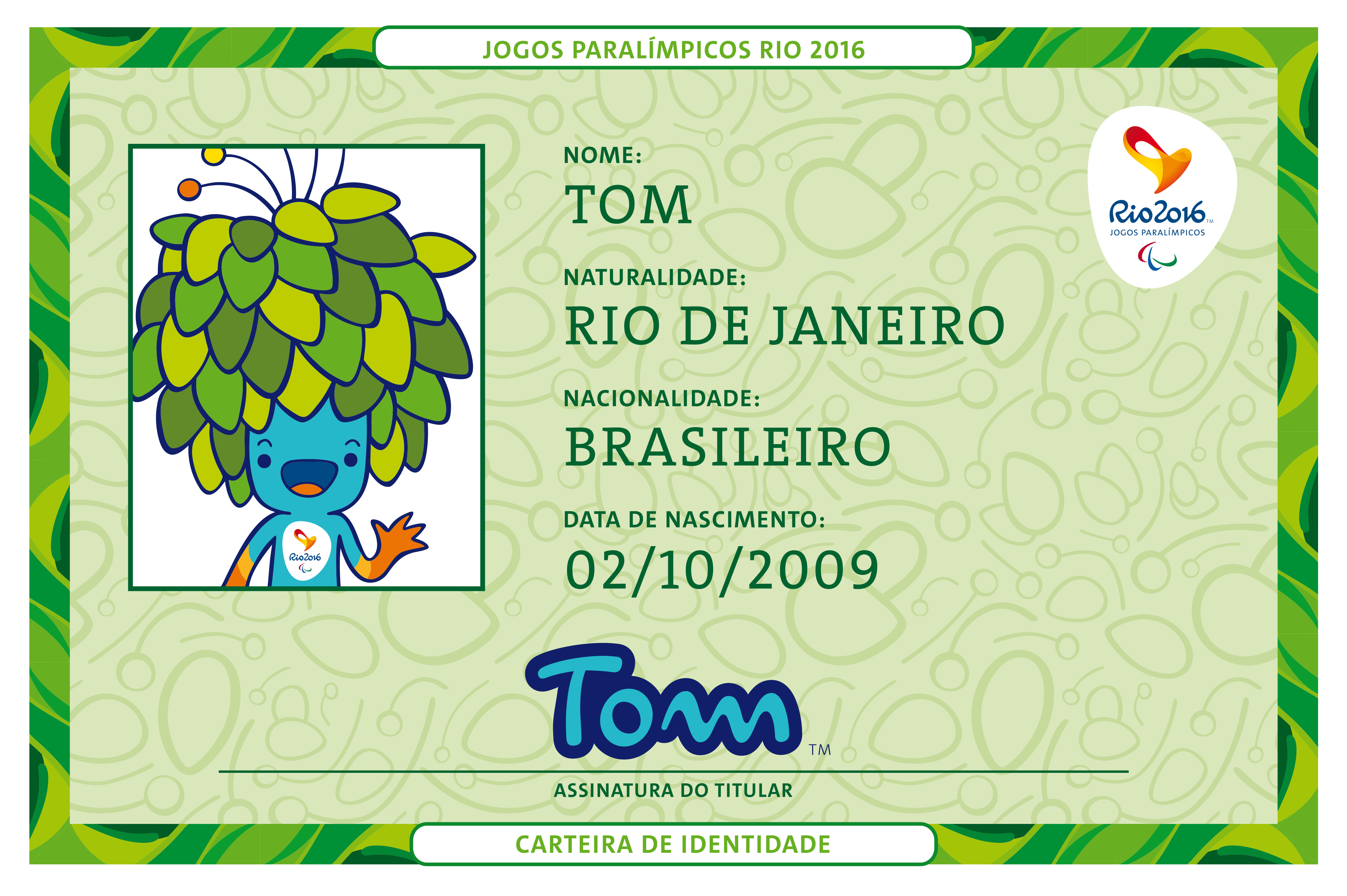
The origin of the Rio 2016 mascots blends fiction and reality. According to the “legend”, on 2 October 2009, when Rio de Janeiro was elected to host the Games, the great explosion of joy amongst Brazilians was felt by nature and from this energy the mascots were born.

rg_vinicius_1Vinicius, the Rio 2016 Olympic Games mascot, represents all of the different animals in Brazil. He combines the agility of cats, the sway of monkeys and the grace of birds. He can stretch his arms and legs as much as he wants and has a very acute sense of smell and amazing powers of hearing.

rg_tomTom, the Paralympic mascot, is a fusion of plants found in Brazilian forests. He is energised by photosynthesis and can pull any object from his head of leaves. He is always growing and overcoming obstacles, and believes there is no challenge that cannot be solved.

FIFA Women’s World Cup 2015

967px-2015_FIFA_Women's_World_Cup_logo.svgThe draw has been made for the 2015 FIFA’s Women’s World Cup that will be played in Canada between 6 June and 5 July.

The championship, like the men’s version, has been played every four years since the  inaugural tournament held in China in 1991. The United States beat Norway 2-1 in the final, to become winners of the first ever FIFA Women’s World Cup. The current title holder is Japan.

The United States and Germany have won the championship twice, and Norway and Japan once each. Brazil made the final in 2007, losing to Germany, and were third in 1999. Brazil’s Marta is the tournament’s top scorer of all time, along with Germany’s Brigit Prinz. Both have scored 14 goals.

The FIFA Women’s World Cup is recognized as the most important international competition in women’s football and is played amongst women’s national football teams of the member states of FIFA, the sport’s global governing body.

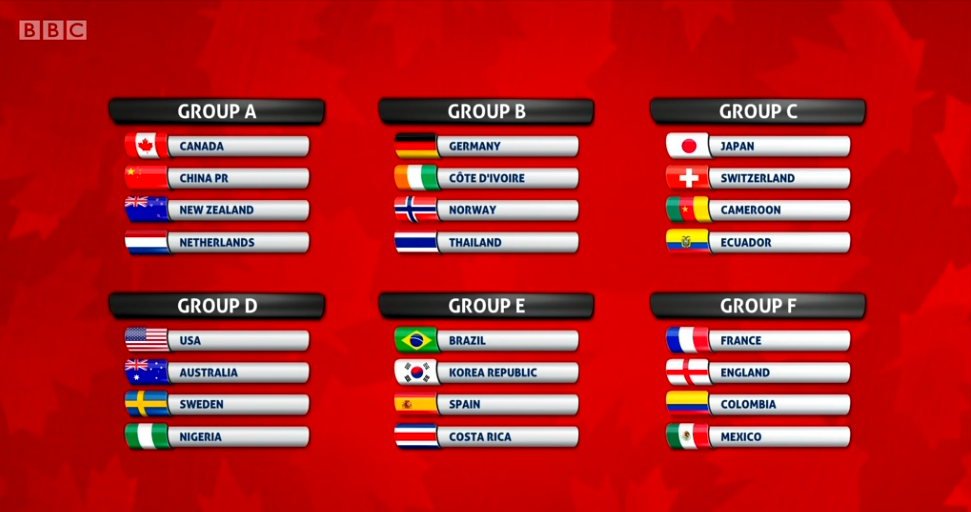
Brazil is drawn in Group E in 2015 with Korea, Spain and Costa Rica.

The full draw for 2015 is:

Group A
CANADA
CHINA
NEW ZEALAND
NETHERLANDS

Group B
GERMANY
IVORY COAST
NORWAY
THAILAND

Group C
JAPAN
SWITZERLAND
CAMEROON
ECUADOR

Group D
UNITED STATES
NIGERIA
SWEDEN
AUSTRALIA

Group E
BRAZIL
SOUTH KOREA
SPAIN
COSTA RICA

Group F
FRANCE
ENGLAND
MEXICO
COLOMBIA

Draw

Capoeira added to UN cultural heritage list

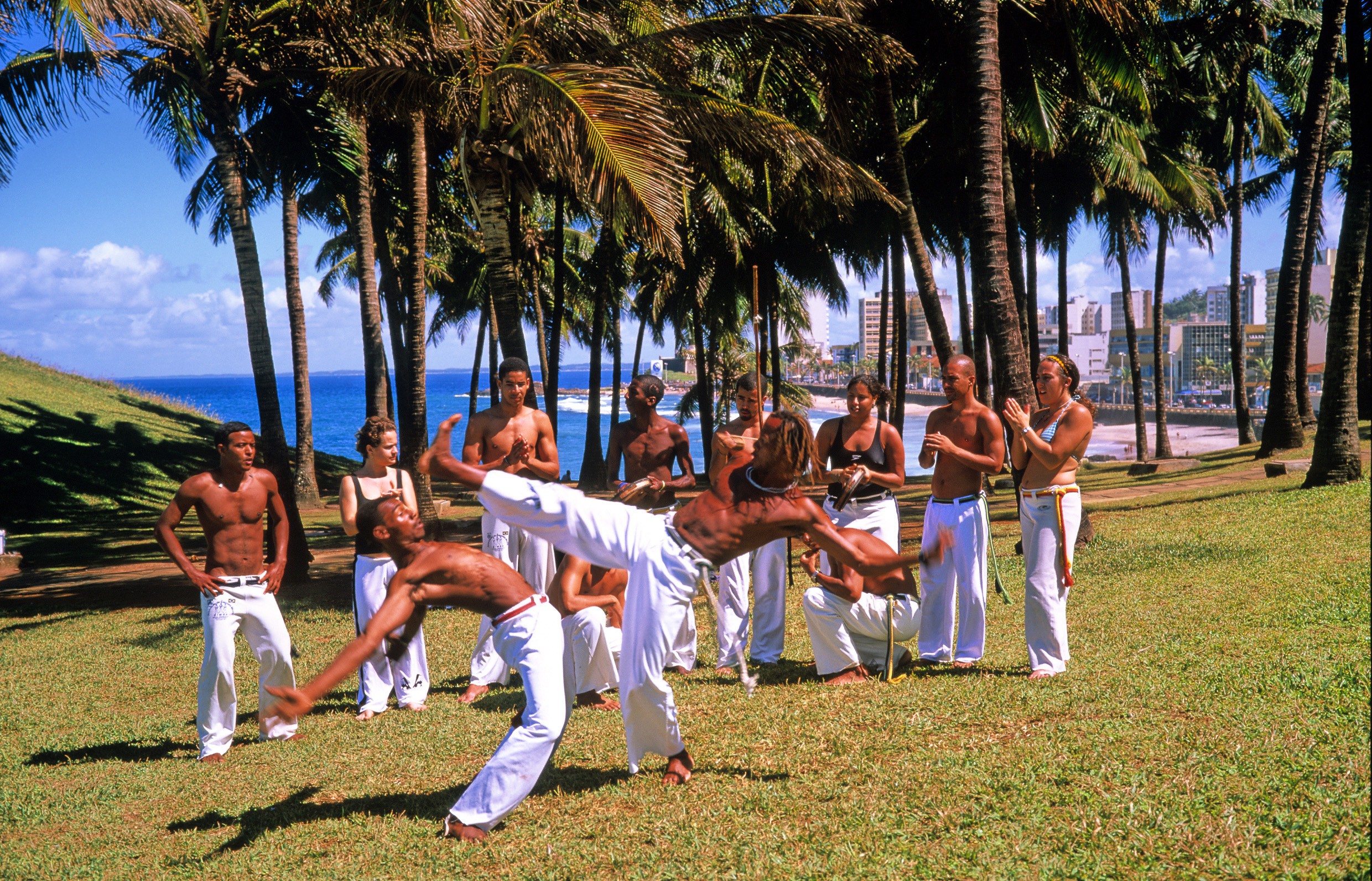
00492Brazil’s martial art and dance, Capoeira, has been added to the United Nation’s list of the world’s intangible cultural heritage. The program aims to draw attention to the importance of safeguarding intangible heritage, which has been identified by UNESCO as an essential component and a repository of cultural diversity and creative expression.

It is Brazil’s sixth listed intangible cultural heritage. Others on the list include Frevo and Samba da Roda.

Minas Gerais is the champion of Brazilian football

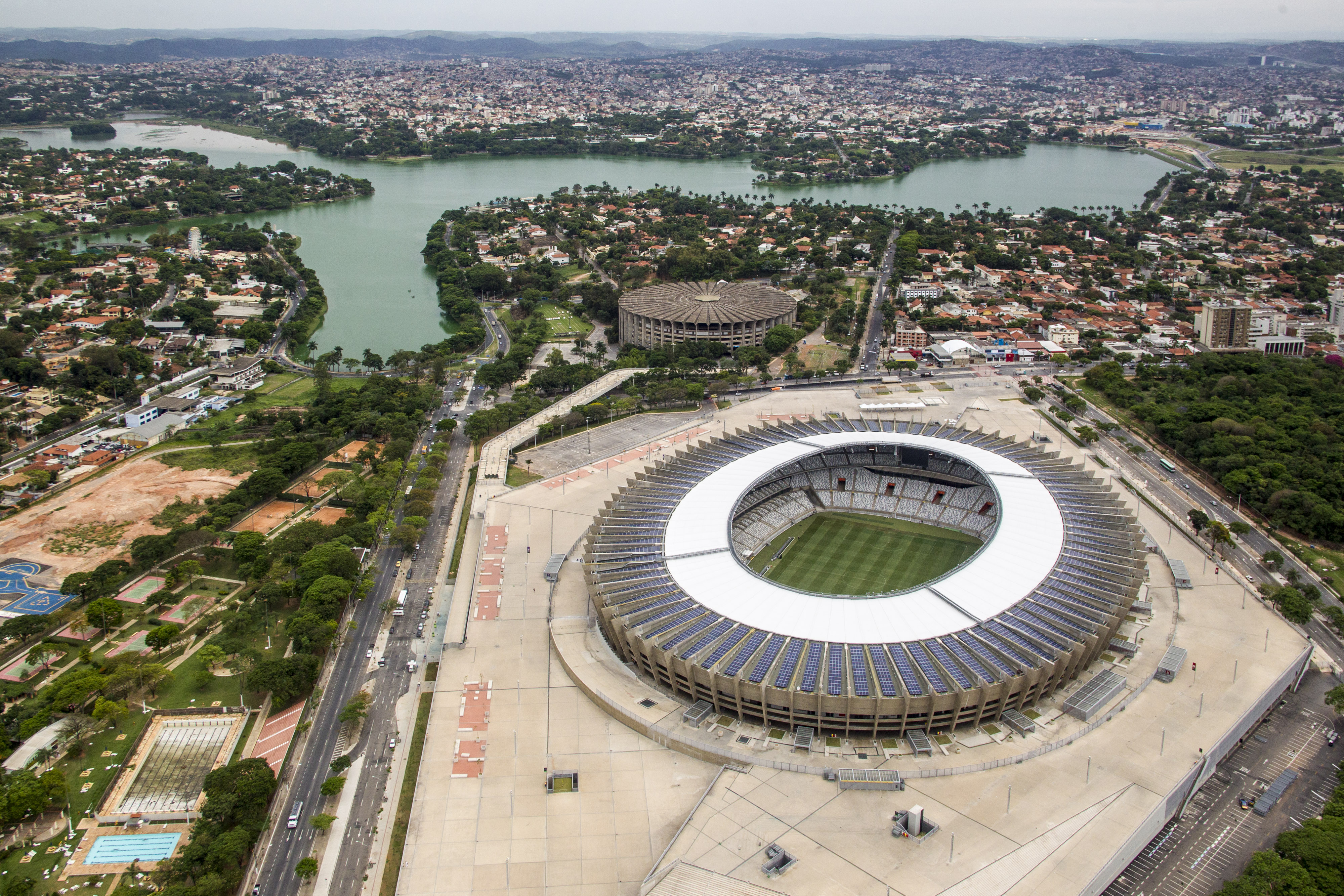
The city of Belo Horizonte, that hosted 6 games during the FIFA World Cup, and the state of Minas Gerais, are the new power house of Brazilian football with local teams Cruzeiro and Atlético-MG winning respectively the Brazilian championship and Copa do Brasil for 2014. The final of the cup was actually played between Cruzeiro and Atlético-MG.

Both Cruzeiro (1976 and 1997) and Atlético-MG (2013) have previously won the Copa Libertadores, the top club tournament in South America.

Copa America 2015 draw

copaThe Copa America will take place in Chile from 11 June to 4 July 2015. Host Chile and existing champions Uruguay will face eight other South American countries along with invited guests Mexico and Jamaica.

The three groups are:

GROUP A: Chile, Mexico, Ecuador, Bolivia

GROUP B: Argentina, Uruguay, Paraguay, Jamaica

GROUP C: Brazil, Colombia, Peru, Venezuela

Top two from each group go through to the quarter finals plus the best two third place teams.

First held in 1916, current champions Uruguay have won the cup 15 times, followed by Argentina with 14, Brazil with 8, Paraguay and Peru with 2, and Colombia and Bolivia with one title each. Brazil last one the cup in 2007 and 2004. It is the oldest international continental football competition.

The tournament schedule is:

Date / Time (local) / Teams
June 11 8:30 p.m. Chile vs. Ecuador
June 12 8:30 p.m. Mexico vs. Bolivia
June 13 4 p.m. Uruguay vs. Jamaica
June 13 6:30 p.m. Argentina vs. Paraguay
June 14 4 p.m. Colombia vs. Venezuela
June 14 6:30 p.m. Brazil vs. Peru
June 15 6 p.m. Ecuador vs. Bolivia
June 15 8:30 p.m. Chile vs. Mexico
June 16 6 p.m. Paraguay vs. Jamaica
June 16 8:30 p.m. Argentina vs. Uruguay
June 17 8:30 p.m. Brazil vs. Colombia
June 18 8:30 p.m. Peru vs. Venezuela
June 19 6 p.m. Mexico vs. Ecuador
June 19 8:30 p.m. Chile vs. Bolivia
June 20 4 p.m. Uruguay vs. Paraguay
June 20 6:30 p.m. Argentina vs. Jamaica
June 21 4 p.m. Colombia vs. Peru
June 21 6:30 p.m. Brazil vs. Venezuela
June 24 8:30 p.m. TBD vs. TBD Quarter-Final
June 25 8:30 p.m. TBD vs. TBD Quarter-Final
June 26 8:30 p.m. TBD vs. TBD Quarter-Final
June 27 6:30 p.m. TBD vs. TBD Quarter-Final
June 29 8:30 p.m. TBD vs. TBD Semi-Final
June 30 8:30 p.m. TBD vs. TBD Semi-Final
July 3 8:30 p.m. TBD vs. TBD 3rd Place
July 4 7 p.m. TBD vs. TBD Final

2016 Olympic and Paralympic mascots unveiled in Rio

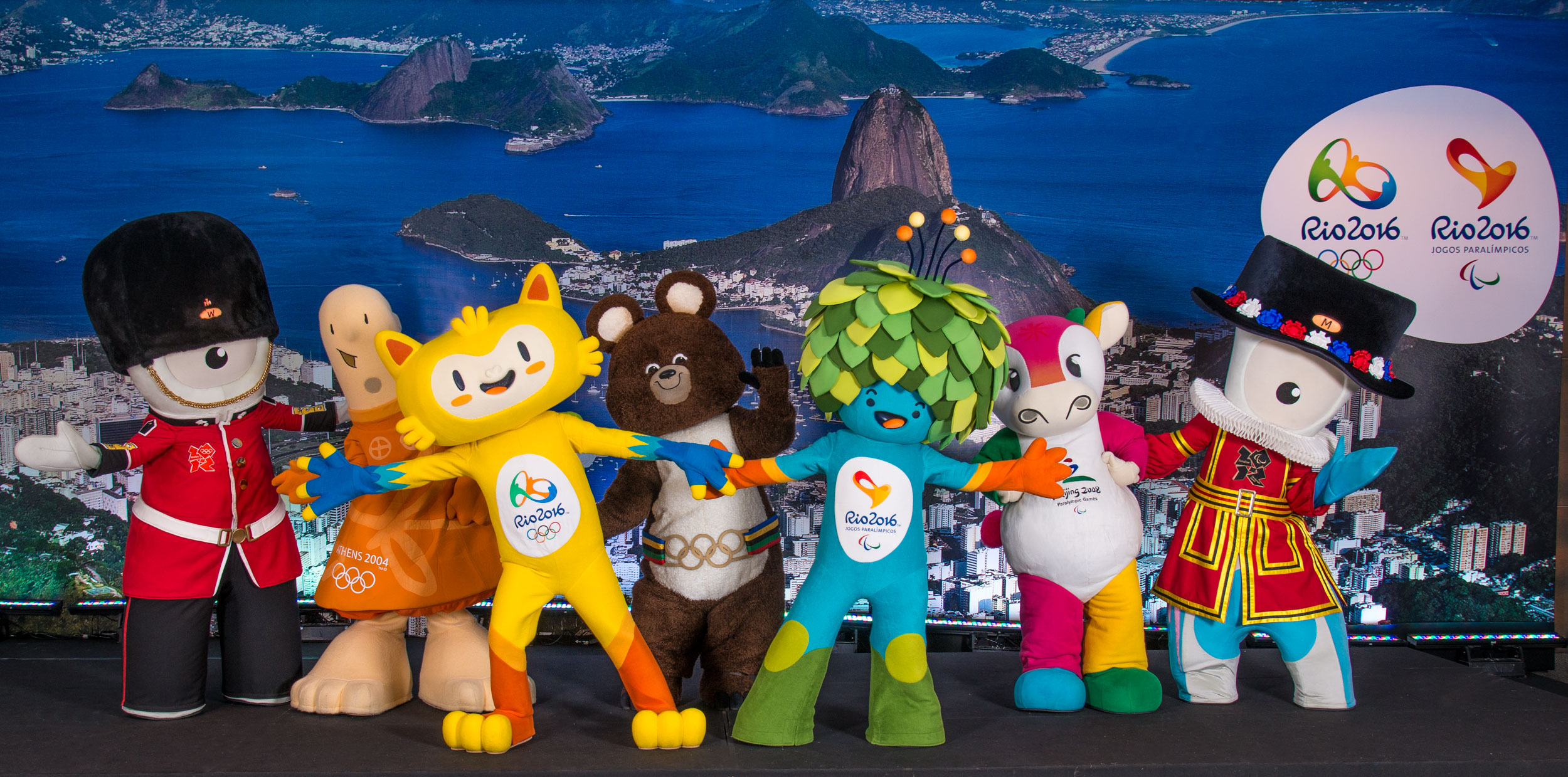
23.11.2014.Mascotes. Forte Copacabana.The Rio 2016 Olympic and Paralympic Games mascots have been unveiled. Inspired by Brazil’s fauna and flora, the duo feature various pop culture influences, along with elements of animation and computer game characters.

“The Rio 2016 mascots represent the diversity of our culture, of our people,” said Beth Lula, the Rio 2016 brand director. “They represent our joy, our way of being. Both of them are magical creatures with super powers and relate naturally with the young audience, who we want to engage with our event so much.”

The Olympic mascot represents all of the different animals in Brazil. He combines the agility of cats, the sway of monkeys and the grace of birds. He can stretch his arms and legs as much as he wants. The Paralympic mascot is a fusion of plants found in Brazilian forests. He is energised by photosynthesis and can pull any object from his head of leaves. He is always growing and overcoming obstacles.

Both mascots have their own Facebook and Twitter profiles and share a special website with fun activities for kids.

“The mascots are one of the most important symbols of the Games because they create an emotional link with the public, especially children, and are genuine ambassadors for the event,” added Lula.

What is not known yet, is their names. A poll is already open and the public can vote for their choice from a shortlist of three pairs of names: one for the Olympic mascot, the other for the Paralympic mascot, respectively. The choices are Oba and Eba, Tiba Tuque and Esquindim, and Vinicius and Tom. You can find out more about these names, and vote for your choice by Clicking Here The winning names will be announced on 14 December 2014.

The mascots were created by Birdo Produções, a São Paulo-based design and animation company that has won numerous international awards.

22.11.2014.Mascotes. Sede Rio2016