Rio de Janeiro unveils the 2016 Olympic and Paralympic look

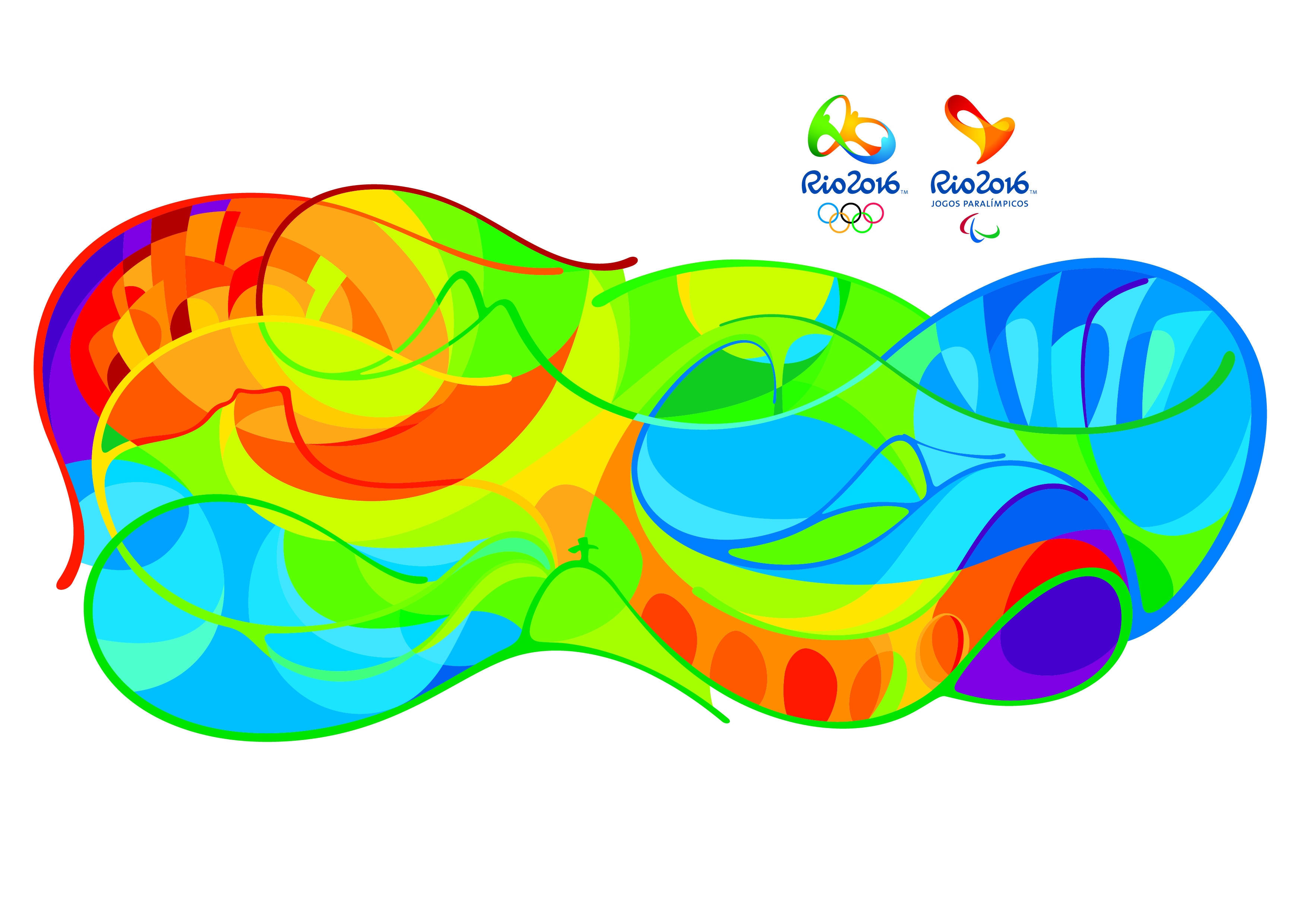
rio2016_cenario_marcasWith now less than two years until the start of the Rio Olympics on 5 August 2016, the Organising Committee for the Olympic and Paralympic Games has launched and unveiled the new “look” for the Games.

The look will become familiar over the coming years and at the games itself as it will be used to decorate and enhance the sports facilities and the city, in addition to appearing on tickets, uniforms, credentials, licensed products, stores and more.

People that know Rio well will recognise many of the city’s famous landmarks that have been woven into the colourful design.

The new image, the organisers say, was inspired by Brazil, Brazilians and Rio de Janeiro:  “The look is multicoloured and vibrant as the harmonic diversity of our people. The look is organic and engaging like an embrace, inspired by our lush nature and human warmth. It brings fluid and energetic features, like our art, our identity.”

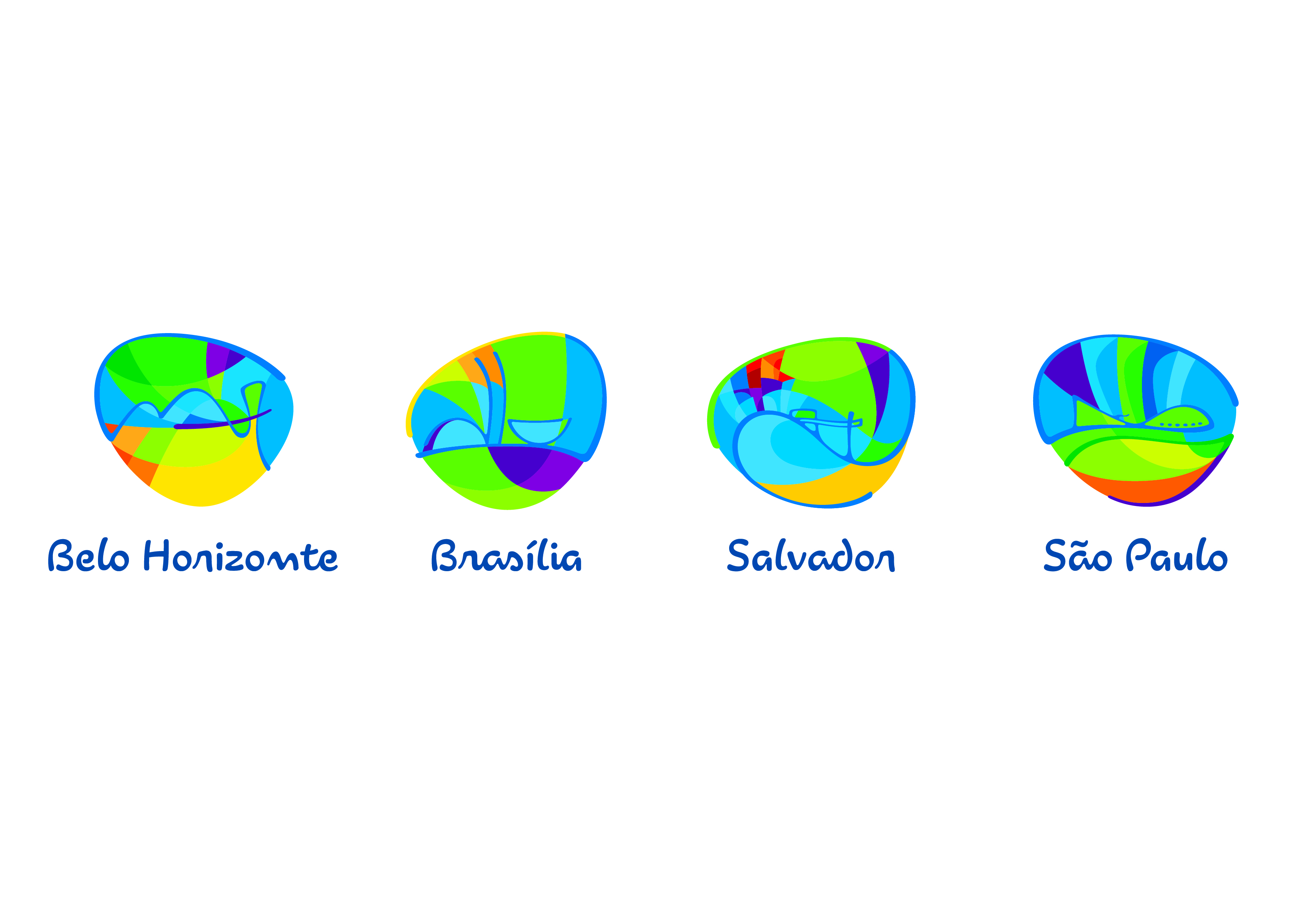
The games has also unveiled the logos to be used by the cities hosting the Olympic football tournament. As well as Rio they include the World Cup host cities and stadiums of Belo Horizonte, Brasilia, Salvador and São Paulo.

rio2016_cid_futebol_01_3Rio2016_1501Rio2016_1500Rio2016_1499

Streets

Brazilian mobile operators offer special packages for visitors

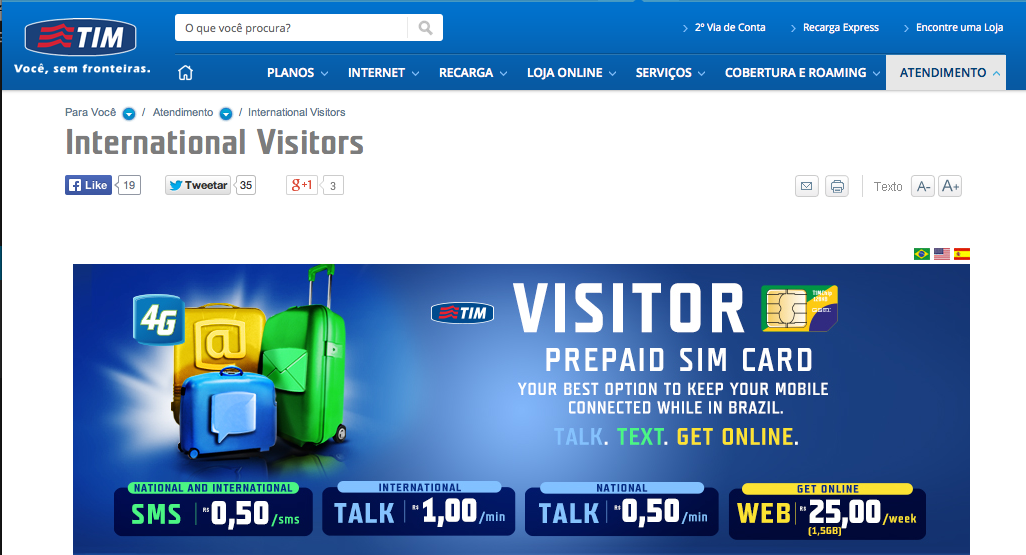
Screen Shot 2014-07-31 at 12.35.41Thanks to the number of visitors who came to Brazil for the World Cup, a number of the local mobile operators now offer very straight forward packages for international visitors.

The big mobile operators in Brazil offering special packages for visitors are:

Brazil has a good telephone network and it is possible to direct dial to just about anywhere in Brazil or internationally.The country code for Brazil is +55.

The country has one of the world’s largest mobile phone networks (225 million subscribers and counting) and non-Brazilian mobile phones will work if they are tri or quad-band and that includes iPhones and BlackBerrys.

August Festivals in Brazil

Post World Cup, Brazil is hosting a number of its traditional festivals in August. They include:

Festival da Pinga / Cachaça, Culture and Flavours is celebrated annually in Paraty, close to Rio de Janeiro, a beautiful coastal village with an unusual blend of nature and history. Started in the 1980’s and taking place in the last week of August in one of the country’s main cachaça-producing areas, it is a festival made for true lovers of pinga /  cachaça and brings together the strong Brazilian spirit, great food and amazing parties. The programme also includes live samba and a traditional Paraty music shows, attracting a large crowd of local and international visitors to celebrate the production, variety and character of the sugar cane spirit.

The Festa da Boa Morte (Feast of Good Death) is one of the most important events in the Afro-Brazilian religious calendar, taking place every August in Cachoeira, one of the towns in the Northeastern region known as the Recôncavo Baiano. Organised by the Irmandade da Boa Morte (Sisterhood of the Good Death), this celebration culminates in a procession that parades through the streets of the historical town on the banks of the Paraguaca River. During the festival, visitors can discover the Freedom Route (Rota da Liberdade), which explores Afro-Brazilian heritage by visiting communities of the descendants of escaped and freed slaves.

On 15 August, the Festa de Iemanjá (Goddess of the sea festival) takes place in Fortaleza, the state capital of Ceará in Northeastern Brazil and one of the World Cup host cities, bringing many visitors to the area. This annual festival celebrates Iemanjá, the mother of all the gods in the Umbanda religion, where participants celebrate, give thanks and offer perfumes, gifts and flowers to the sea.

The Folclore Nordestino Festival takes place in Olinda, a historic city in the Brazilian state of Pernambuco that is located just north of Recife, bringing together art, music, museums, heritage, architecture and a showcase of colonial Brazil. Folklore is a key element of Brazil’s northeastern culture and in late August, the city holds this annual festival.

Rocinha by Rocinha offers a new Rio favela experience

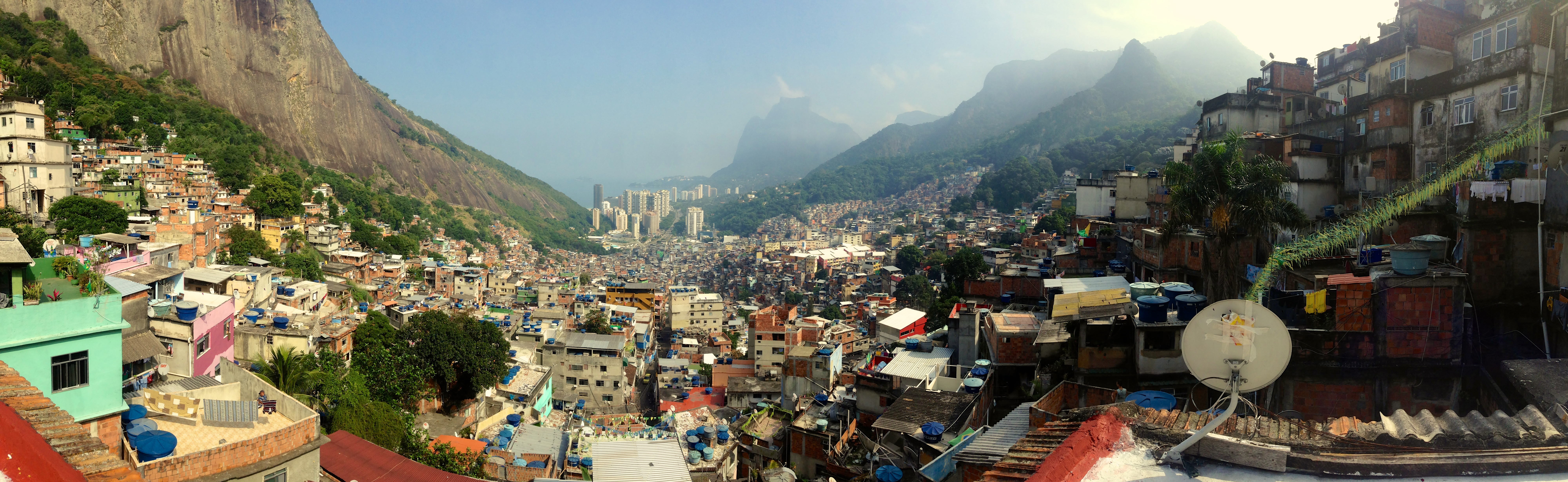
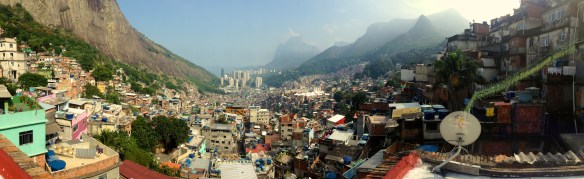
rocinha4A new initiative, the Rocinha By Rocinha Project, hopes to boost tourism to one of Rio de Janeiro’s largest favelas and was created earlier this year by a small dedicated team of young people, all living in Rocinha. The project hopes to start a cultural exchange between residents and domestic and foreign tourists visiting Rio.

Rocinha By Rocinha has adopted a tourist concept largely used in European countries: the free walking tour. At the end of the guided tour, the visitors then have the option of making a voluntary contribution according to how much they want and can afford. All generated funds go directly to the guide that is doing the tour of the day. The same procedure is adopted for the charged packages, such as the tour to the Dois Irmãos mountain and a tour of Rocinha by night.

“We want to show what the culture of Rocinha has to offer and to give a true feeling of what its like to be part of the community,” explains one of the founders of Rocinha By Rocinha, Erik Martins. Erik leads the team formed by five other guides, all with excellent knowledge of the community, good English and a willingness to become entrepreneurs, and help Rocinha to prosper.

“Our tours cover the recent initiatives that are improving the conditions of the slums, but also reveal the locations that still lack of zeal. We don’t want to hide what saddens us, but explain everything that is beautiful and culturally rich around us, as some fascinating panoramic views that fill us with pride”, Erik explains.

Rocinha By Rocinha has the support of a group of voluntary international consultants who are helping to organize and publicize the work and created the Rocinha By Rocinha website and helped develop a solution for the guides to accept payments from international credit and debit cards.

The Swedish company iZettle, one of Europe’s leading providers of mobile payment services and apps, is a partner of Rocinha By Rocinha and this allows foreign tourists, not always with cash to hand, to be able to pay securely by card. Operating in Brazil since August 2013, iZettle is now helping entrepreneurs and professionals from nine countries to accept payments on their smartphones and tablets.

Reservations for Rocinha By Rocinha can be made ​​through the website or by email  to tours@rocinhabyrocinha.com.

rocinha1

World Cup in Brazil sets Twitter records

Twit Germ 1The World Cup in Brazil became the world most tweeted about event. Germany’s 7-1 victory over Brazil in the World Cup semi-finals was the most discussed sports game on Twitter in history. A record 35.6 million tweets being sent during the 90-minute game.

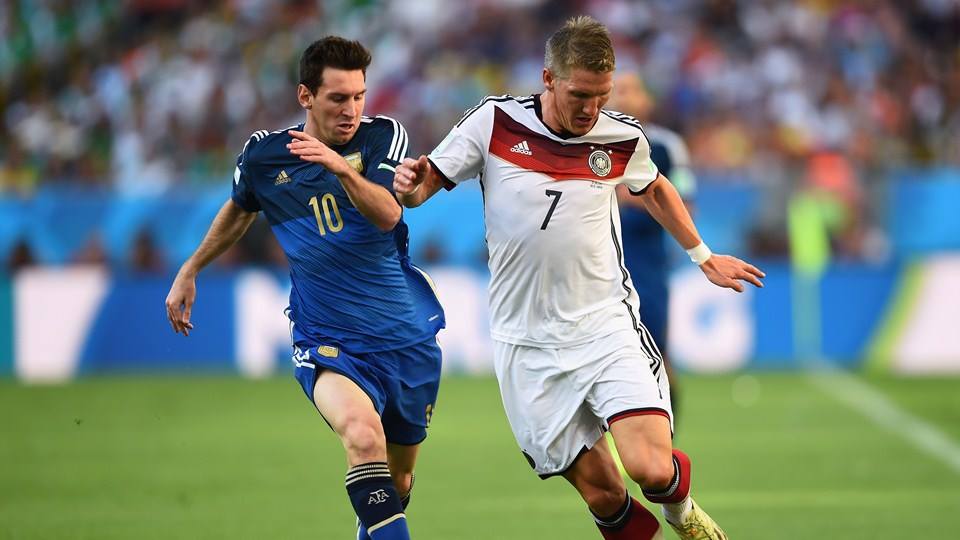
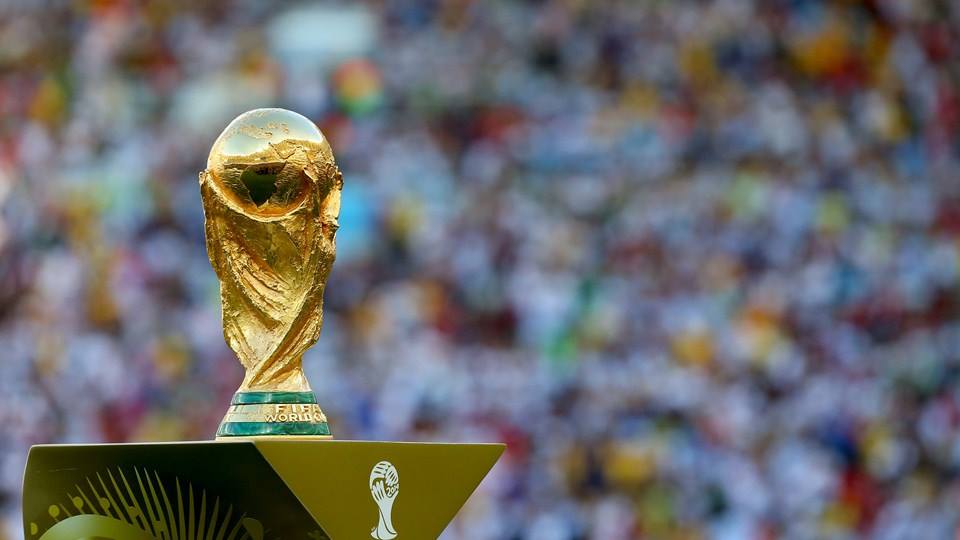
The World Cup Final between Germany and Argentina, which itself generated 32.1 million tweets, set a new tweets-per-minute record when the final whistle went and Germany was crowned champion. This triggered 618,725 tweets in one minute.

Not surprisingly the most tweeted German player in the final was goal scorer Mario Gotze, while for Argentina it was Lionel Messi.

Twitter final 2

Visa cardholders spend US$188M in Brazil in 12 cities during group stage of World Cup

Total spend by international travelers on Visa accounts through the group stage of the World Cup has hit US$188 million. This represents a 152 percent increase year-over-year, and a 141 percent increase when compared to the US$78 million spent by travelers attending the 2013 FIFA Confederations Cup during the same timeframe. The highest spending day in the 2014 FIFA World Cup Brazil was June 25, when travelers spent US$17.4 million in one day.

Visitors from the United States, followed by the United Kingdom, France, and Mexico represented the largest overall tourist spend in Brazil. The most significant spending increases were seen from countries such as Australia (+835%);Colombia (+765%); Chile (+519%) and Mexico (+396%).

photo 2-1Visa Everywhere Travel Report for the 2014 FIFA World Cup Brazil, which analyzes travel data and spending through the use of Visa credit, has also found that some smaller Brazilian cities, which are hosting tournament games, realized some of the most significant increases in spending by international travelers.

Data through the group stage of the tournament, which includes opening day (12 June) through the close of the group stage (26 June), revealed triple-digit increases in spending, compared to the same period last year, in cities such as Natal (+851%); Cuiaba (+963%); Curitiba (+167%); and Manaus (+409%).

“The group stage of the World Cup has shown that international tourism was strong well beyond the cities of Rio de Janeiro and São Paulo, as fans traveled throughout Brazil to support their teams,” says Ricardo Fort, SVP Global Sponsorship Marketing, Visa Inc. “The fact that these games are bringing positive economic impact to regions of Brazil typically less visited by international travelers, is another sign of success for the tournament overall.”