Tennis Centre
Brazil the Guide has added images of some of the proposed 2016 Olympic and Paralympic venues.
The page will be continuously updated with the latest images.
You can see the images by CLICKING HERE

Tennis Centre
Brazil the Guide has added images of some of the proposed 2016 Olympic and Paralympic venues.
The page will be continuously updated with the latest images.
You can see the images by CLICKING HERE
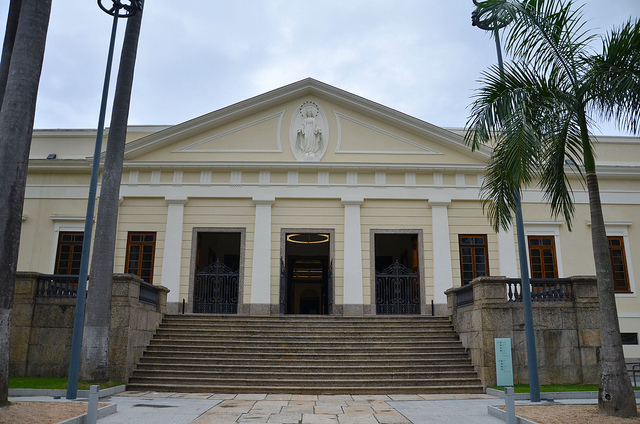
Casa Daros, which opened its doors to the public on 23 March 2013, is a new space for art, education and communication, housed in a stately 19th century building in neoclassical style, that is preserved as an official historical heritage site. Designed by architect Francisco Joaquim Bethencourt da Silva (1831–1912), the mansion stands in grounds of more than 12 thousand square meters in Botafogo.
The space will present exhibitions from the Daros Latinamerica Collection and will be firmly focused on art and education – with a wide range of activities for the public. Casa Daros also offers a schedule of seminars and meetings with artists in its auditorium, as well as a library specialised in Latin American contemporary art, a documentation space, a reading room, a restaurant / café, and a shop.
Casa Daros is part of Daros Latinamerica, one of the most comprehensive collections in the world dedicated to Latin American contemporary art, that is headquartered in Zurich, Switzerland. The Daros Latinamerica Collection has over 1,200 artworks, including paintings, photographs, videos, sculptures and installations, by more than 117 artists, and is constantly expanding.

Casa Daros has opened with the exhibition Cantos Cuentos Colombianos, a panoramic view of contemporary Colombian art. The curator Hans-Michael Herzog has assembled a grouping of works by the artists Doris Salcedo, Fernando Arias, José Alejandro Restrepo, Juan Manuel Echavarría, María Fernanda Cardoso, Miguel Ángel Rojas, Nadín Ospina, Oscar Muñoz, Oswaldo Macià and Rosemberg Sandoval.
The exhibition, first presented in Zurich, Switzerland, in two parts, was the largest show of contemporary Colombian art yet shown in Europe.

Rio de Janeiro has a new art museum, the Museu de Arte do Rio (Museum of Rio Art) or MAR, which is located in Praça Mauá.
The museum and gallery was opened by the President of Brazil, Dilma Rousseff, on 1 March 2013, the date of the city’s 448th birthday. It is the first really tangible result of the redevelopment of the city’s port area and a project known as Porto Maravilha.
The museum is just one of several new cultural centres planned for the port region in time for the 2016 Olympics. It is made up of two buildings, the Dom João VI Palace, which is a listed building, and a more modern building that used to be a car park and part of the bus terminal. The buildings are joined by a fifth-floor walkway.

MAR has eight exhibition halls that offer visitors a multi-faceted vision of the history of the city and of its social fabric, life, conflicts, contradictions, challenges and expectations.
Exhibits promise to link the historical and contemporary dimensions of art through short- and long-term shows of national and international interest. It is currently amassing its own collection through acquisitions and donations and will also exhibit loaned art works from some of Brazil’s finest public and private collections. MAR also has its own school, the Escola do Olhar (School of Vision).
The museum is open Tuesday to Sunday from 10 am to 6 pm.

Vila Isabel was voted by the official jury to be the best samba school at Rio’s 2013 carnival. It was the third title for the school which was the last of the 12 major samba schools to parade.
The full result was:

Kleber Mendonça Filho’s O Som ao Redor (Neighbouring Sounds), which was chosen by the official jury at Festival do Rio as the best feature film of Première Brasil 2012, has also been chosen by the New York Times as one of the ten best films of 2012.
The New York Times’ A.O.Scott noted: In his first feature, Mr Mendonça a former film critic, chronicles the daily rhythms of life in an affluent apartment complex in the Brazilian coastal city of Recife. What emerges is a subtle portrait of a society in the throes of rapid social transformation, still haunted by the cruelties of its feudal past.
New York Times Top 10 Films of 2012
Sunday, 10 February 2013 (From 21.00 to 04.00)
Monday, 11 February 2013 (From 21.00 to 04.00)

Brazil is scheduled to play England twice in 2013 as Brazil prepares for the Confederations Cup and England look ahead to the 2014 World Cup.
The first game is scheduled for Wednesday, 6 February at Wembley Stadium in London as part of The FA’s 150th anniversary celebrations.
The two teams will then meet again Sunday, 2 June in a match that will mark the re-opening of the “new” Maracanã Stadium (photo) in Rio de Janeiro, the iconic stadium that will host the World Cup Final in 2014, and the opening and closing ceremonies of the 2016 Olympic Games.
Club England Managing Director Adrian Bevington said: “We’re delighted Brazil will kick-off The FA’s 150th anniversary celebrations at Wembley. 2013 is a landmark year for The FA and an exciting England fixture programme, in addition to Wembley hosting the UEFA Champions League Final, will form a key part of the celebrations. As the most successful footballing nation, with great players and supporters, it will be fantastic to launch this important year in English football’s history against such outstanding opponents as Brazil.”
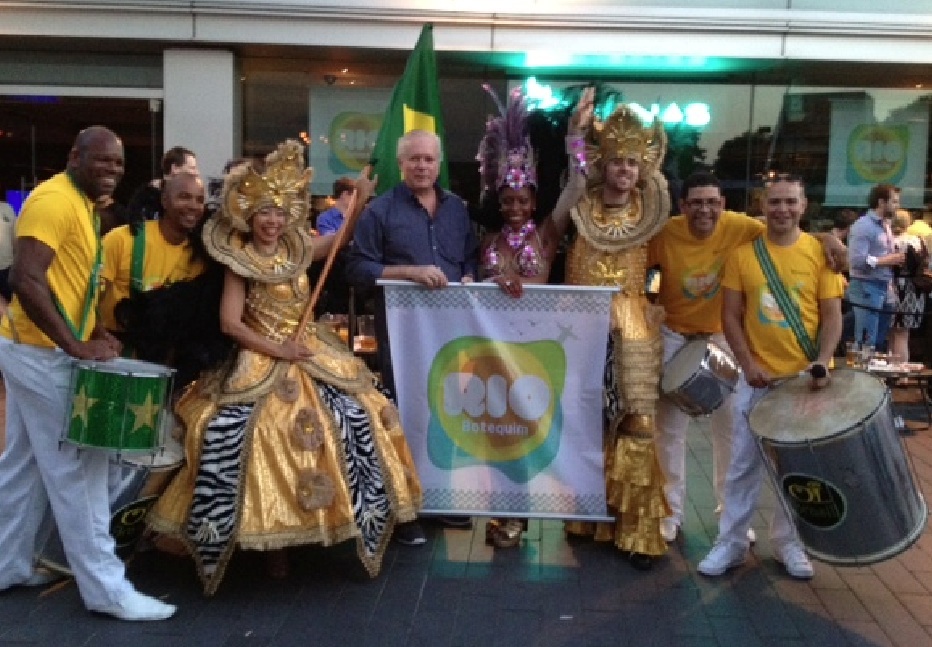
The crowds turned out during the London Olympics to enjoy the atmosphere at the Rio Botequims set up by the Rio Convention & Visitors Bureau in 27 branches of Las Iguanas across the UK.

Director Julien Temple with RCVB’s Paulo Senise

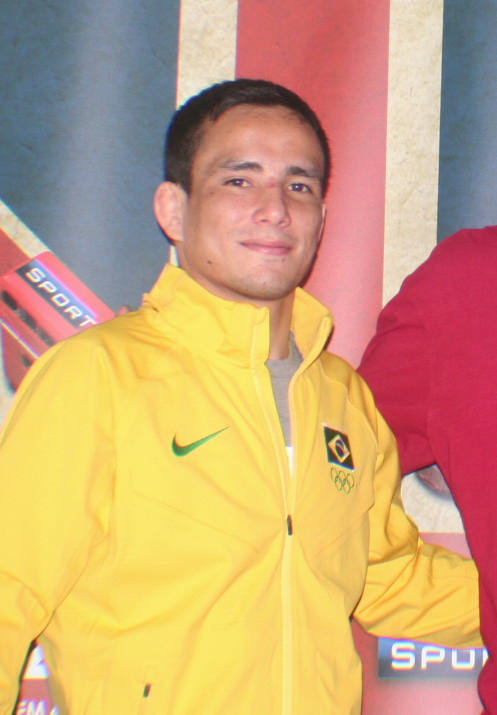
Judo bronze medalist Felipe Kitadai
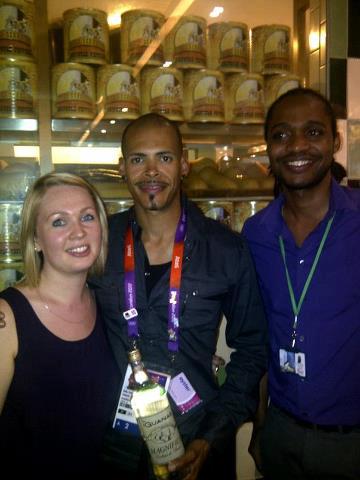
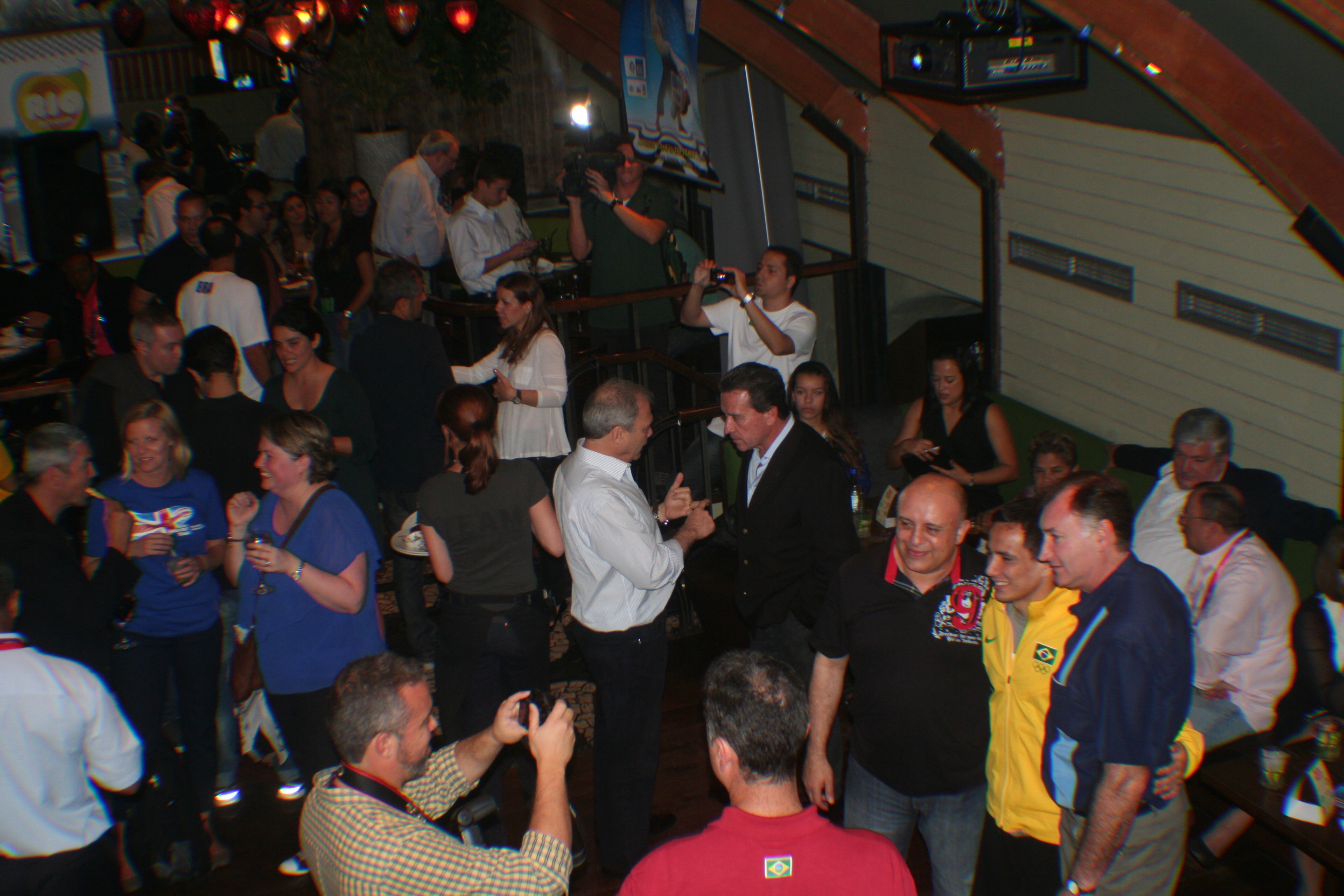
Judo Reception


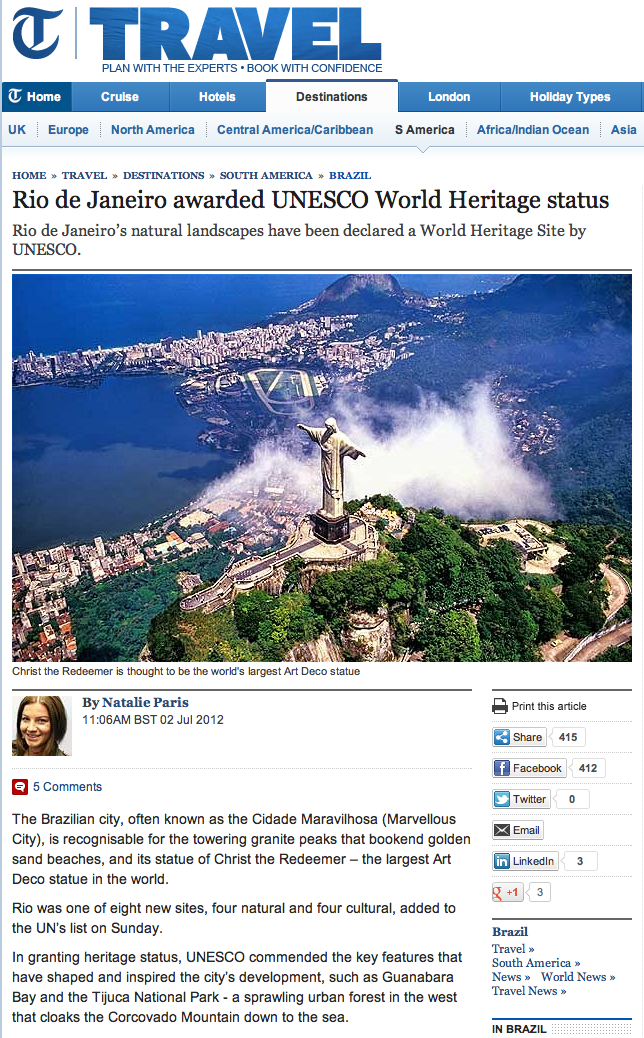
The city of Rio de Janeriro was elected by UNESCO on 1 July 2012 to be a World Heritage Centre. The reason given by UNESCO was for Rio’s iconic landscape and setting.
Rio is the 19th Brazilian World Heritage Centre.
The full list is:
Cultural
Natural

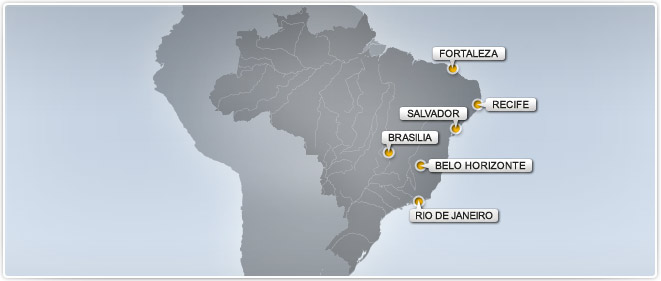
FIFA has announced that the host cities for the 2013 Confederations Cup will be Belo Horizonte, Brasilia, Fortaleza, Recife, Rio de Janeiro and Salvador. All will be testing stadiums to be used in the 2014 World Cup.
 The tournament, which will take place from 15 to 30 June 2013, will feature eight teams including Brazil as the host; Spain as reigning World Champions; Uruguay as the champions of South America; Mexico as champions of CONCACAF; Japan as the Asian champions; and they will be joined by the European, African and Oceania champions.
The eight teams will be split in to two groups with the top two in each group going forward to the semi-finals.