Las Iguanas launch Rio Botequims for the London Olympics

Las Iguanas, already established as the UK’s leading collection of Latin American restaurants and bars, is bringing an extra touch of the tastes and spirit of Rio de Janeiro to Britain to brighten up the summer of 2102.

As of 27 July, and in time for the London Olympics, Rio Botequims have been popping up all over the UK in Las Iguanas restaurants in partnership with the Rio Convention & Visitors Bureau, Riotur, TAM Airlines and others.

The choice of Las Iguanas to feature Rio de Janeiro – the world’s most glamorous and exciting tropical city – is no accident as it is Rio that in 2016 will be the next city to host the Summer Olympic and Paralympic Games after London.

And before 2016, Brazil and Rio will also be hosting the Confederations Cup in 2013, along with the Judo World Championship and the Canoe Sprint World Championships. Then in June and July 2014, the eyes of world will be on Brazil and Rio for the 20th FIFA World Cup.

So there has never been a better time in Britain to get in step, find the Carioca rhythm, and learn a little bit more about Rio de Janeiro and Brazil, and the tastes and spirit that help the city and country tick.

So how do you describe what a botequim (“bo-teh-king”) is to the British?

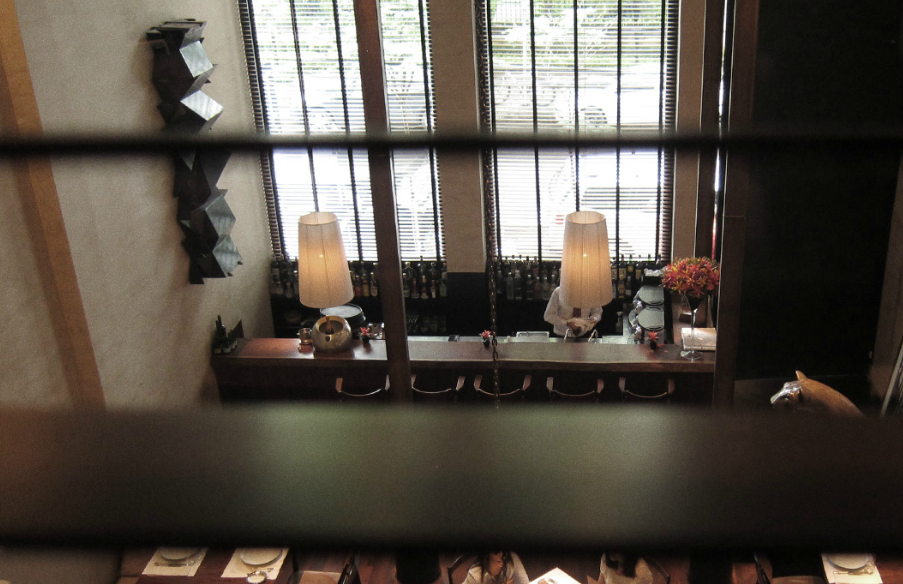
It is far too simple to suggest that a botequim is the Brazilian equivalent of the British pub, but it is a legitimate heir to the old taverns, serving food in healthy portions at accessible prices. Botequims are part of the cultural identity of Rio de Janeiro, and developed from the Spanish bodega and Portuguese botica to emerge as the Brazilian boteco – or botequim – in the second half of the 19th century.

A botequim is essentially a place to eat, drink and be merry. A place for friendly and lively conversation, good company, tasty and interesting food, and drinks that range from coffee to caipirinhas, via a cerveja gelada, or an ice-cold Brahma beer. A botequim is also a state of mind.

In the spirit of the Rio botequims, Las Iguanas is inviting its customers across the UK to come and enjoy the tastes and spirit of Rio this summer, and discover how to be a Carioca, as the residents of Rio are known.

As well as offering customers in all its restaurants the opportunity to try a special menu – Rio Botequim Seleção – Las Iguanas, the Rio Convention & Visitors Bureau, and their partners are also staging a number of culinary, cultural and sporting activities over the period of the Olympics, especially in London at the Royal Festival Hall, O2, Spitalfields, and Stratford Westfields restaurants.

Wednesday, 1 August, will see a gathering of the UK travel trade and media for lunch at the “Rio Botequim” in the Las Iguanas Royal Festival Hall, while the same venue will also host a reception for the UK film industry on Thursday, 2 August.
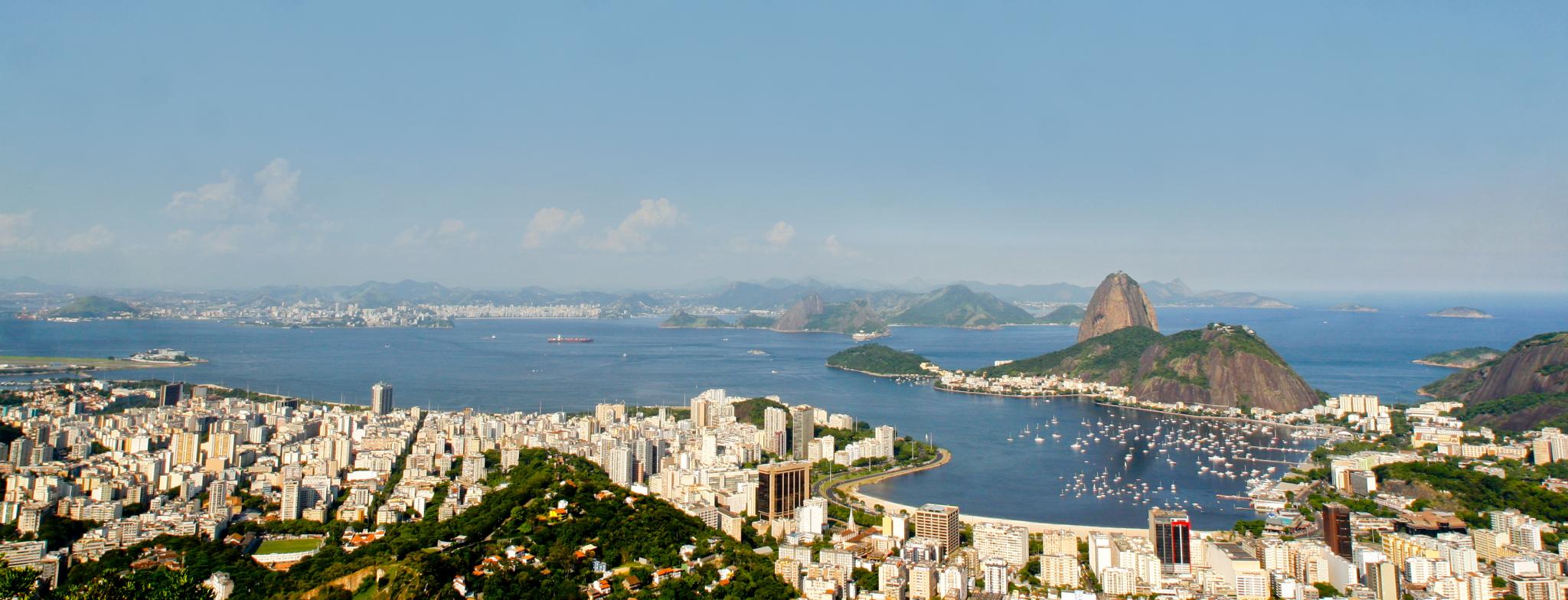
There is also the opportunity in all the Las Iguanas restaurants for customers to win trips to Rio de Janeiro to discover the city, and enjoy its warmth, hospitality and beauty, as well as the city’s many botequims, restaurants, clubs and bars, and the beach.

And just as the success of the Brazilian football team has always been built on teamwork, so will the success of the Rio Botequim programme. Joining the Rio Convention & Visitors Bureau and Las Iguanas are Riotur, the Secretary of Sport for Rio, Rio Film Commission, Sport TV and TAM Airlines, among others. Together the partners are all looking and planning to help make it a “Carioca” summer for Britain to remember.

For more details of what is happening at the Rio Botequims and in Las Iguanas over the Olympic period, visit the Las Iguanas web site, www.iguanas.co.uk; follow on Twitter (@las_Iguanas or @RioDiary) or Facebook (www.facebook.com/pages/Las-Iguanas/48003656683).

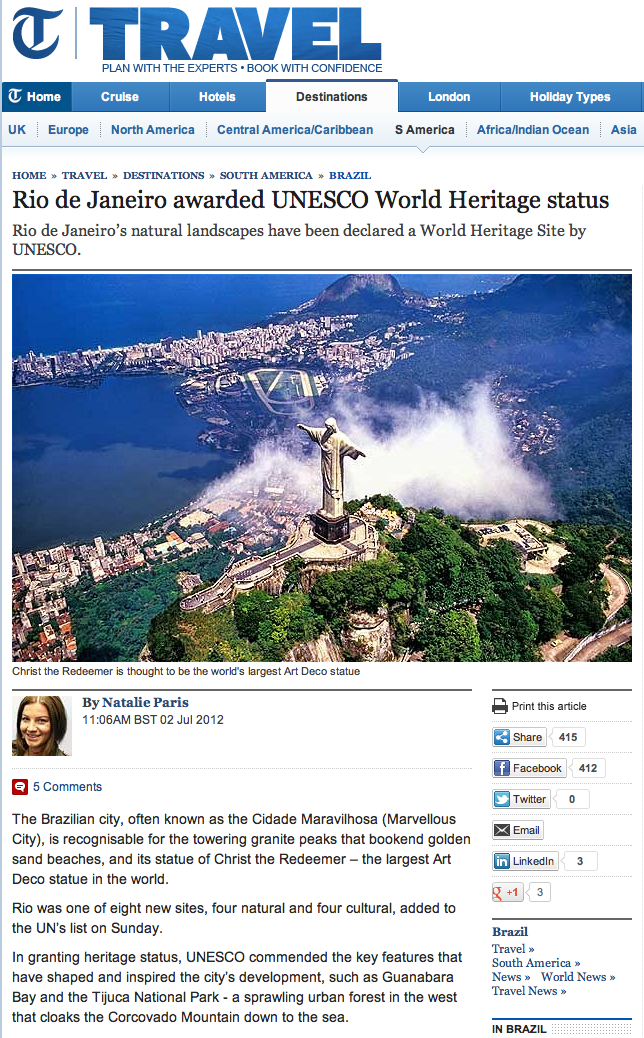
Rio de Janeiro awarded UNESCO World Heritage status

The city of Rio de Janeriro was elected by UNESCO on 1 July 2012 to be a World Heritage Centre. The reason given by UNESCO was for Rio’s iconic landscape and setting.

Rio is the 19th Brazilian World Heritage Centre.

The full list is:

Cultural

  • Brasilia (1987)
  • Historic Centre of Salvador de Bahia (1985)
  • Historic Centre of São Luís (1997)
  • Historic Centre of the Town of Diamantina (1999)
  • Historic Centre of the Town of Goiás (2001)
  • Historic Centre of the Town of Olinda (1982)
  • Historic Town of Ouro Preto (1980)
  • Jesuit Missions of the Guaranis: San Ignacio Mini, Santa Ana, Nuestra Señora de Loreto and Santa Maria Mayor (Argentina), Ruins of Sao Miguel das Missoes (Brazil) (1983)
  • Rio de Janeiro: Carioca Landscapes between the Mountain and the Sea (2012)
  • Sanctuary of Bom Jesus do Congonhas (1985)
  • São Francisco Square in the Town of São Cristóvão (2010)
  • Serra da Capivara National Park (1991)

Natural

  • Atlantic Forest South-East Reserves (1999)
  • Brazilian Atlantic Islands: Fernando de Noronha and Atol das Rocas Reserves (2001)
  • Central Amazon Conservation Complex (2000)
  • Cerrado Protected Areas: Chapada dos Veadeiros and Emas National Parks (2001)
  • Discovery Coast Atlantic Forest Reserves (1999)
  • Iguaçu National Park (1986)
  • Pantanal Conservation Area (2000)

TAM and LAN merge to form LATAM Airlines Group

Brazil’s TAM airlines and Chile’s LAN Airlines have merged to form the LATAM Airlines Group. The new group offers passengers more flights to more destinations than any other affiliated group of airlines in South America, initially reaching around 150 destinations in 22 countries and transporting cargo to 169 destinations in 27 countries.

“The creation of this group of airlines is an opportunity to take South America to the world and to allow us to position ourselves to operate in an increasingly competitive environment due to the continuing consolidation of the global airline industry,” said Enrique Cueto, Executive Vice President-CEO of LATAM Airlines Group.

Among the benefits that passengers of both TAM and LAN will see over time are increased connectivity, improved routes and frequencies, and reduced connection times. Additionally members of the airlines’ frequent flyer programs, LANPASS and TAM Fidelidade, will be able to earn and redeem kilometres/points over the complete route networks of LAN and TAM.

Confederations Cup 2013 – Host Cities Chosen

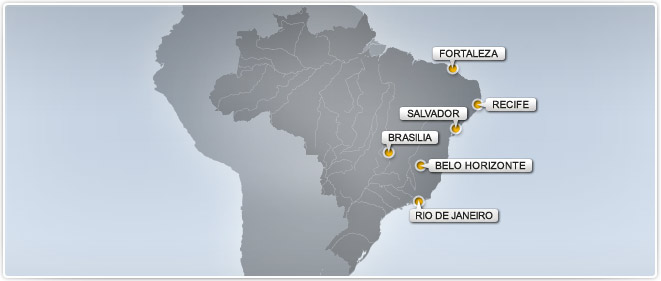
FIFA has announced that the host cities for the 2013 Confederations Cup will be Belo Horizonte, Brasilia, Fortaleza, Recife, Rio de Janeiro and Salvador. All will be testing stadiums to be used in the 2014 World Cup.

The tournament, which will take place from 15 to 30 June 2013, will feature eight teams including Brazil as the host; Spain as reigning World Champions; Uruguay as the champions of South America; Mexico as champions of CONCACAF; Japan as the Asian champions; and they will be joined by the European, African and Oceania champions.

The eight teams will be split in to two groups with the top two in each group going forward to the semi-finals.

An Award Winning Taste of Brazil

The exciting and talented young Brazilian chef, Bel Coelho, has made a quick visit to London, along with one of Brazil’s leading sommeliers, Arthur Azevedo.

Bel and Arthur were in the UK to showcase the onboard catering of TAM Airlines. Bel is responsible for having developed over 800 different options and combinations of dishes to be served across the airline’s international services during 2012. To Arthur falls the responsibility of selecting the wines to compliment the new menus.

Bel Coelho, Sue Faithfull (TAM UK), Arthur Azevedo

Bel is considered one the most exciting chefs of her generation in Brazil. Since cooking at home as a little girl, and then later working with major names from the global gastronomic scene, she has developed a special care for the ingredients she uses and for the visual presentation of the dishes. All of which has helped make her restaurant, Dui, one of São Paulo and South America’s very best and most sought after.

Bel says her menus offer passengers meals that are a well-balanced combination of functional, whole and organic ingredients, which are prepared to give nutrient-rich dishes with a feeling of lightness, well-being and satisfaction.

To match some of Bel’s more sophisticated dishes, Arthur has looked to source top-quality wines from different countries, focusing mainly on the most important wine making regions of Europe. The highlights include in First Class the white, Dr. Bürklin-Wolff Pechstein Grand Cru from Pfalz in Germany, and amongst the reds, La Croix Figeac (St. Émilion/Bordeaux/ France). For Business Class the selection includes the white wine Dr. Bürklin-Wolff Wachennheimer Altenburg Premier Cru and the red, Jean-Luc Thunevin Château Bel-Air-Ouÿ (St. Émilion/Bordeaux/France). Economy Class passengers have not been overlooked and the selection for long-haul flights includes two modern and affordable South American wines. The Callia Alta Malbec and the Callia Alta Chardonnay from San Juan in Argentina.

Arthur’s selection of wines has been picking up international awards for both him and TAM. Most recently Arthur and TAM won two of the top categories in Business Traveller’s prestigious “Cellars in the Sky” awards. The Brazilian airline received the award for best red wine served in First Class (Clos Canon 2008), and as the airline with the most improved First Class wine cellar.

World Class Dining

On the gastronomic front it has also been announced that Alex Atalal’s São Paulo restaurant, D.O.M., has been rated as the fourth best in the world and the top restaurant in South America by Restaurant Magazine’s list of the world’s top 50 eateries in 2012.

D.O.M. São Paulo

According to the magazine, D.O.M.’s principal aim is to champion produce from Brazil and the Amazonian region, from everyday palm hearts and cassava to obscure finds from the rainforest. More familiar European fine-dining fare gets a look-in, but often in a supporting role.

Other Brazilian’s restaurants to be rated in the world’s top 100, include Mani in São Paulo, whose chef, Helena Rizzzo, developed TAM’s menu back in 2010; and Roberta Sudbrack in Rio de Janeiro.

Twenty years on: Rio+20 UN Conference on Sustainable Development

Twenty years on from the Rio Earth Summit of 1992 (United Nations Conference on Environment and Development), world leaders, along with thousands of participants from governments, the private sector, NGOs and other groups, will come together in Rio de Janeiro for the United Nations Conference on Sustainable Development. The event, which takes place from from 20 to 22 June 2012, will discuss how we can reduce poverty, advance social equity and ensure environmental protection on an ever more crowded planet.

The official discussions will focus on two main themes: How to build a green economy to achieve sustainable development and lift people out of poverty, including support for developing countries that will allow them to find a green path for development; and how to improve international coordination for sustainable development.