Brazil: The Guide launches a Kindle text version for use off-line

Brazil CoverTo help to satisfy the demand of people travelling to Brazil who would like to have the information on www.braziltheguide.com to hand, even when the are off-line, we have published a text only Kindle version of the guide that can be purchased globally from Amazon.

In the UK the guide sells for just £2.58. To access UK Amazon CLICK HERE

It is at a similar low price on Amazon stores around the world. For links to all the various global stores CLICK HERE

Julien Temple’s Rio 50 Degrees premieres in the UK on BBC 1

Julien_photo_bJulien Temple’s “Rio 50 Degrees” (AKA: Children of the Revolution) will premiere and screen in the UK as the first episode of Alan Yentob’s Imagine series at 22.30 on BBC One on Sunday, 18 May.

The film, produced by Mike Downey and Sam Taylor’s F&ME and Roberto Berliner and Rodrigo Letier’s TV Zero and based on an original idea by Critical Divide’s Christopher Pickard, paints a picture of a city under transformation as Rio de Janeiro prepares to host two of the world’s largest and most high-profile sporting events: the 2014 FIFA World Cup and the 2016 Olympic Games.

Julien Temple had filmed previously in Rio with the Sex Pistols, Ronnie Biggs and Mick Jagger.

Rio 50

Rainforest Alliance: “I’m Alive” Brasil: The Floresta da Tijuca Sessions

A collaboration produced by Andres Levin, with Caetano Veloso, Lenine, Criolo, Emicida, Pretinho da Serrinha and Sistah Mo Respect along with many other celebrated Brazilian musicians and filmmakers who spent three days in Rio de Janeiro’s Floresta da Tijuca, part of Parque Nacional da Tijuca (that supported the project by offering its landscapes to film) creating “I’m Alive” a multimedia expression of man’s relationship to nature filmed, composed and recorded in the rainforest.

eco_certified_rainforest_alliance


Rainforest Alliance

Julien Temple’s “Rio 50 Degrees”

Screen Shot 2014-04-12 at 13.52.51Julien Temple’s “Rio 50 Degrees”, in part developed by Critical Divide, the publisher of Brazil the Guide, received its world premiere screening as the opening gala of the BBC’s Art Screen Festival at the Glasgow Film Theatre on 10 April.

The film, which takes a look at Rio de Janeiro as the city prepares to host two of the world’s most high-profile events: the FIFA World Cup and the 2016 Olympic Games, will be broadcast on the BBC as part of Alan Yentob’s Imagine series.

Julien Temple with the BBC's Kirsty Walk

Julien Temple with the BBC’s Kirsty Wark

Ayrton Senna drives Unidos da Tijuca to carnival victory

12923446995_1ccbe839d2_bWith a samba based on the life and times of Brazilian Formula One great, Ayrton Senna, Unidos da Tijuca drove to victory as the top samba school in Rio de Janeiro for 2014.

The very last of the twelve top samba school to parade, Unidos da Tijuca won a very close fought contest with Salgueiro, winning by just 0.1 of a point out of 300. The winner in 2013, Vila Isabel, could only manage tenth place in 2014.

Placing is important as the winning school can choose when it will parade the following year. The next school has second choice, and so on, until the one school coming up from the second division, Viradouro in 2015, gets the spot that is left.
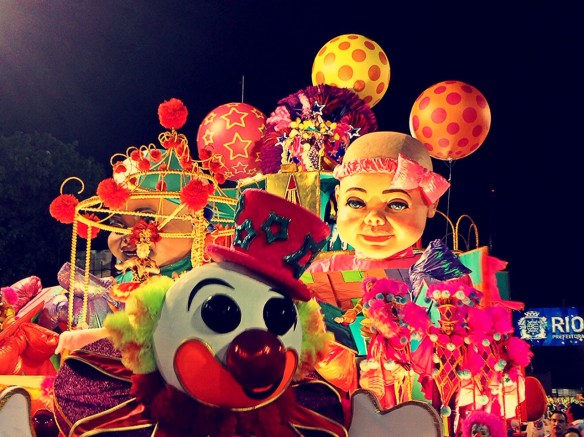
azimuth:0.000000||elevation:0.000000||horizon:0.000000Normally the school choose to go late on, even last if they can, but there is a danger in going last as if for any reason the parade gets delayed, and it has been known to happen, then the last school may be going out in the first light of dawn or even daylight. Like a rock concert, that can make a big difference to the visual impact.

As well as the theme of Ayrton Senna, themes in 2014 included African rhythms (Imperio da Tijuca); the city of Marica (Grande Rio); Rio’s favelas, the city’s famous shanty towns (São Clemente); Brazilian celebrations (Mangueira); sustainability and preservation (Salgueiro); a tribute to one of Brazil most famous television executives, Bonifácio de Oliveira Sobrinho, o Boni (Beija-Flor); Pernambuco (Mocidade Independente de Padre Miguel); children’s toys (União da Ilha); Brazil’s natural and historical heritage (Vila Isabel),; Zico, one of Brazil’s greatest footballers and part of the best Brazilian team not to win the World Cup (Imperatriz Leopoldinense); and Avenida Rio Branco (Portela).

azimuth:0.000000||elevation:0.000000||horizon:0.000000The full results for 2014 were:

  • Unidos da Tijuca (299.4 points out of 300)
  • Salgueiro (299.3)
  • Portela (299.0)
  • União da Ilha do Governador (298.4)
  • Imperatriz Leopoldinense (297.6)
  • Grande Rio (297.20)
  • Beija-Flor (296.4)
  • Mangueira (296.2)
  • Mocidade Independente de Padre Miguel (296.0)
  • Unidos de Vila Isabel (295.9)
  • São Clemente (294.3)
  • Imperio da Tijuca (291.6)

Carnival 2014

British Airways increases flights from London to São Paulo

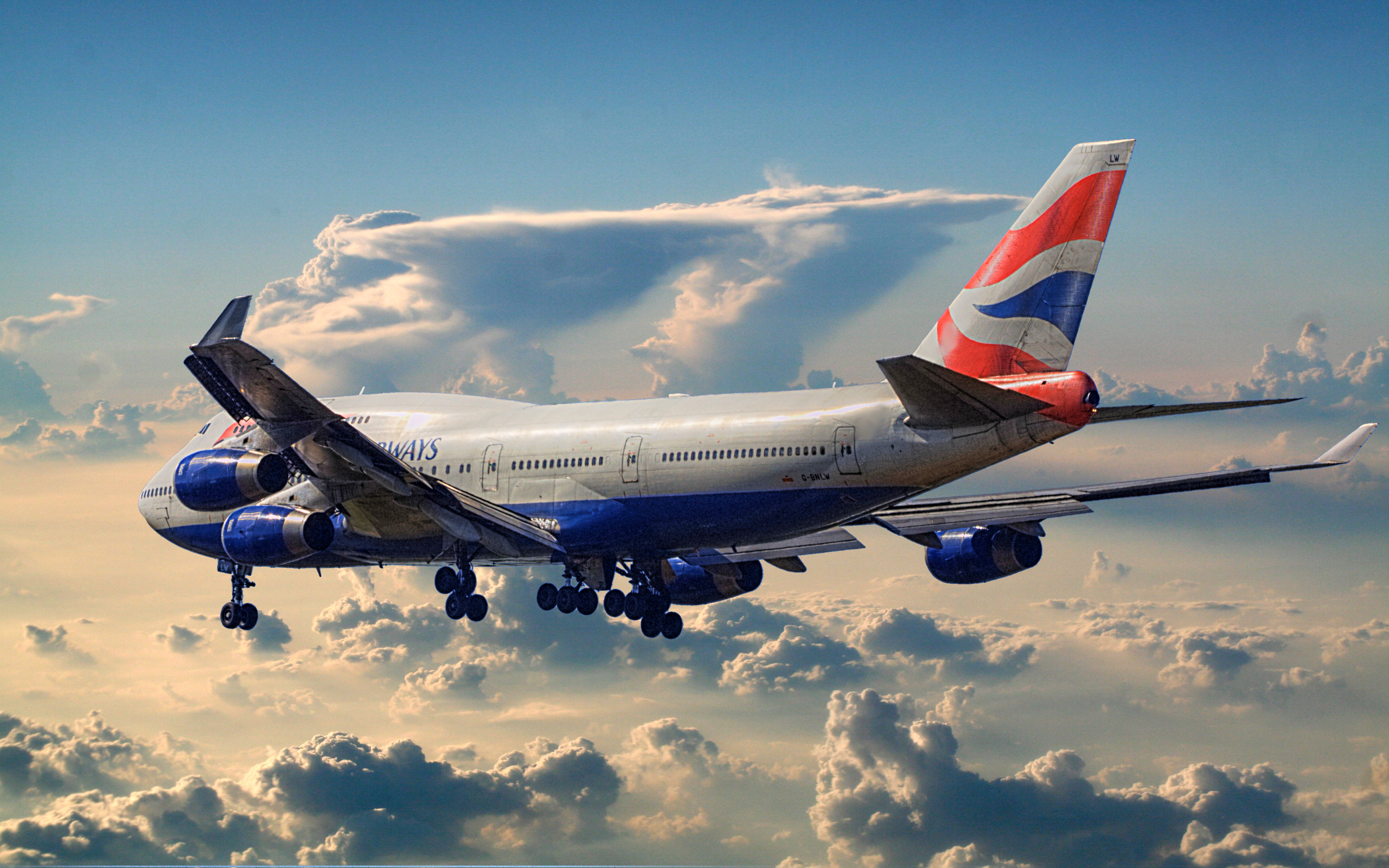
British_Airways_Boeing_747-400_leaving_townBritish Airways is to increase its direct weekly services to-and-from London’s Heathrow Airport and São Paulo on 1 June 2014 from seven to ten using 747-400s (photo). British Airways also offers a daily service between London and Rio de Janeiro.

The other airline offering direct non-stop service between London and São Paulo and Rio de Janeiro is TAM Airlines from Brazil.

As of 1 April 2014 both airlines will be members of oneWorld.

Rio Airport to be run by the company behind Singapore Changi Airport

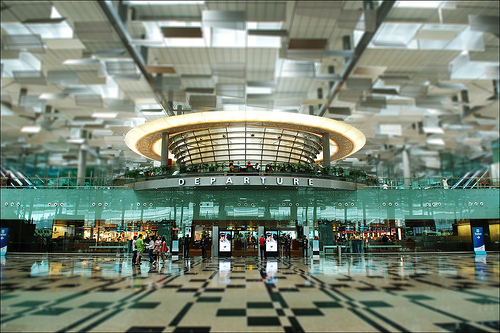
Changi-Airport-departuresGood news for travellers heading for Rio de Janeiro. The city’s main international airport, Aeroporto Internacional Tom Jobim (Galeão) has been bought by the company that operates the award winning Singapore Changi Airport (photo), in partnership with the Brazilian construction company Odebrecht. The concession is for 25 years, and the new group promises some quick fixes for the aging airport before a major investment in improving facilities at the airport.

The company responsible for operating Zurich and Munich airports, in partnership with Brazil’s CCR, has bought Belo Horizonte’s Confins airport, which brings to a total of five the major Brazilian airports privatised by the government. The other three being  Guarulhos and Viracopos in São Paulo, and Brasília.