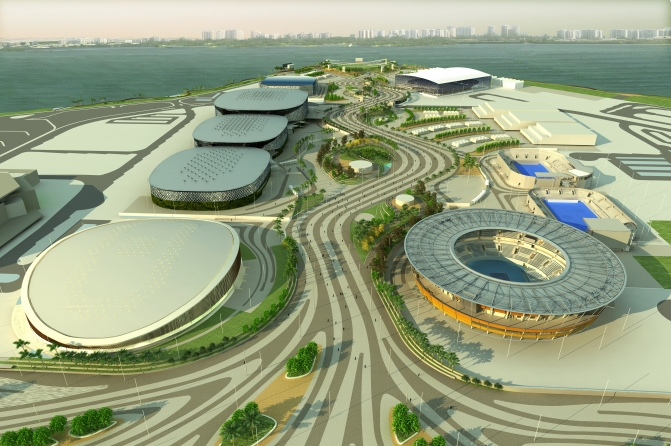
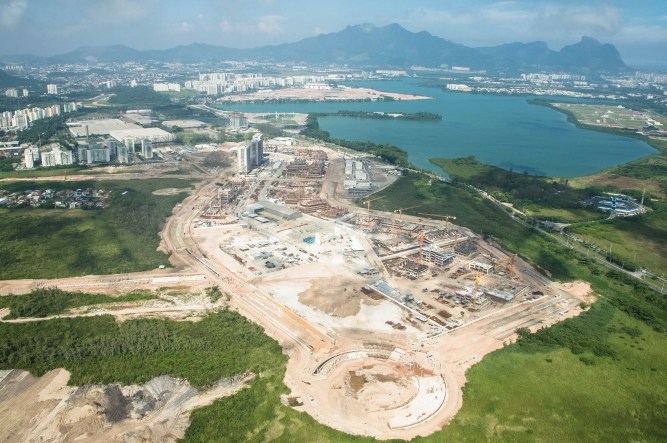
The main Olympic hub and village in Barra da Tijuca in Rio de Janeiro, is starting to take shape.
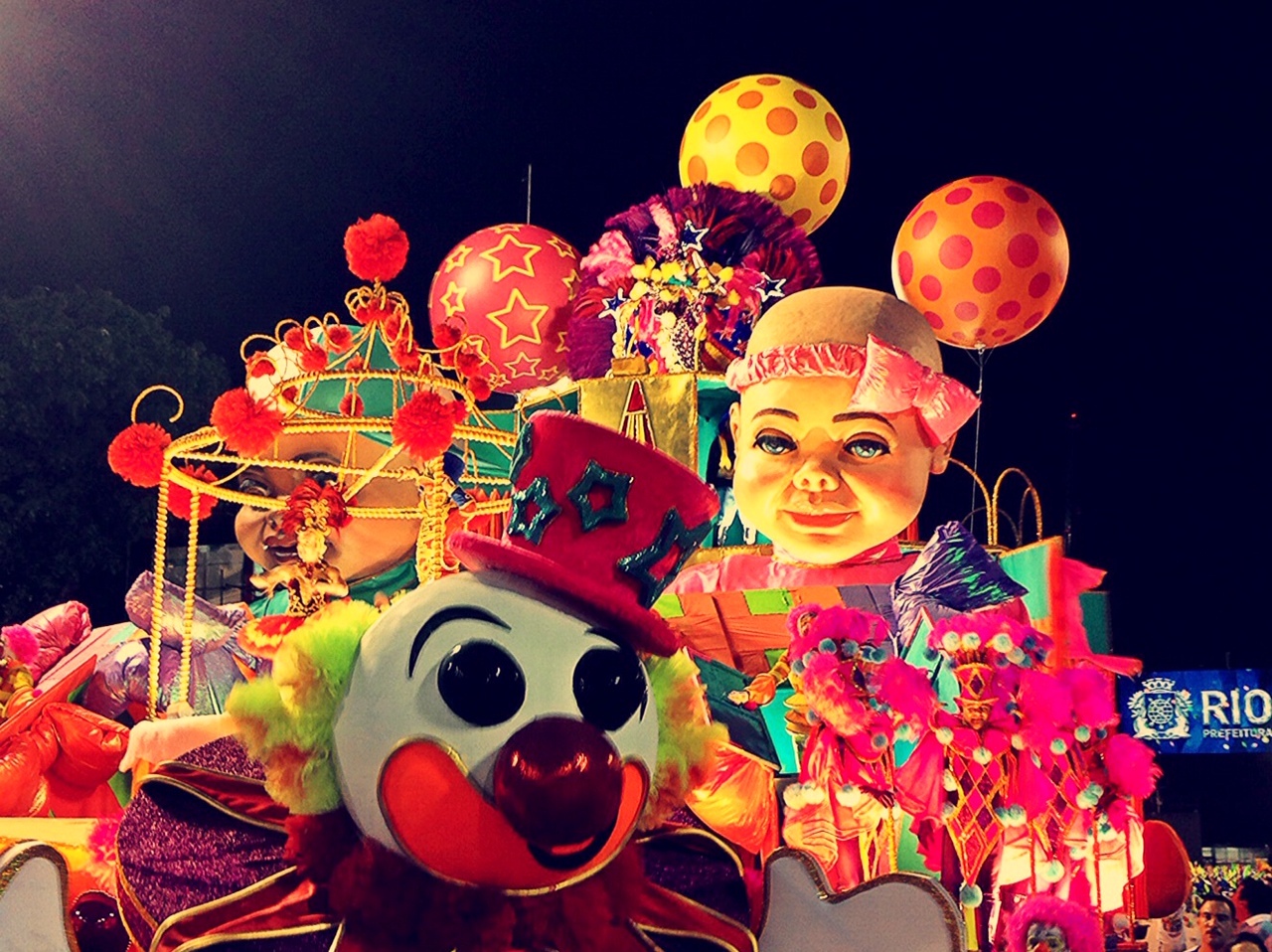
With a samba based on the life and times of Brazilian Formula One great, Ayrton Senna, Unidos da Tijuca drove to victory as the top samba school in Rio de Janeiro for 2014.
The very last of the twelve top samba school to parade, Unidos da Tijuca won a very close fought contest with Salgueiro, winning by just 0.1 of a point out of 300. The winner in 2013, Vila Isabel, could only manage tenth place in 2014.
Placing is important as the winning school can choose when it will parade the following year. The next school has second choice, and so on, until the one school coming up from the second division, Viradouro in 2015, gets the spot that is left.
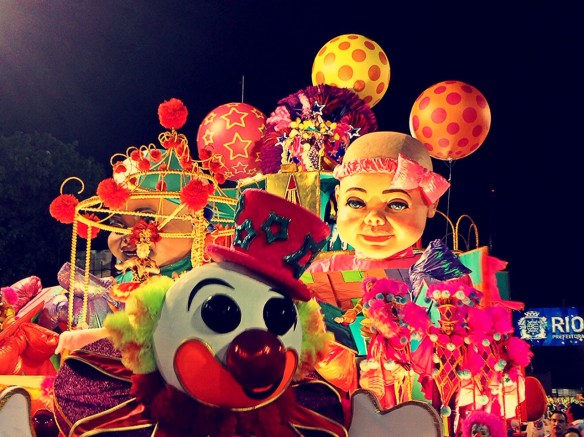
Normally the school choose to go late on, even last if they can, but there is a danger in going last as if for any reason the parade gets delayed, and it has been known to happen, then the last school may be going out in the first light of dawn or even daylight. Like a rock concert, that can make a big difference to the visual impact.
As well as the theme of Ayrton Senna, themes in 2014 included African rhythms (Imperio da Tijuca); the city of Marica (Grande Rio); Rio’s favelas, the city’s famous shanty towns (São Clemente); Brazilian celebrations (Mangueira); sustainability and preservation (Salgueiro); a tribute to one of Brazil most famous television executives, Bonifácio de Oliveira Sobrinho, o Boni (Beija-Flor); Pernambuco (Mocidade Independente de Padre Miguel); children’s toys (União da Ilha); Brazil’s natural and historical heritage (Vila Isabel),; Zico, one of Brazil’s greatest footballers and part of the best Brazilian team not to win the World Cup (Imperatriz Leopoldinense); and Avenida Rio Branco (Portela).
The full results for 2014 were:
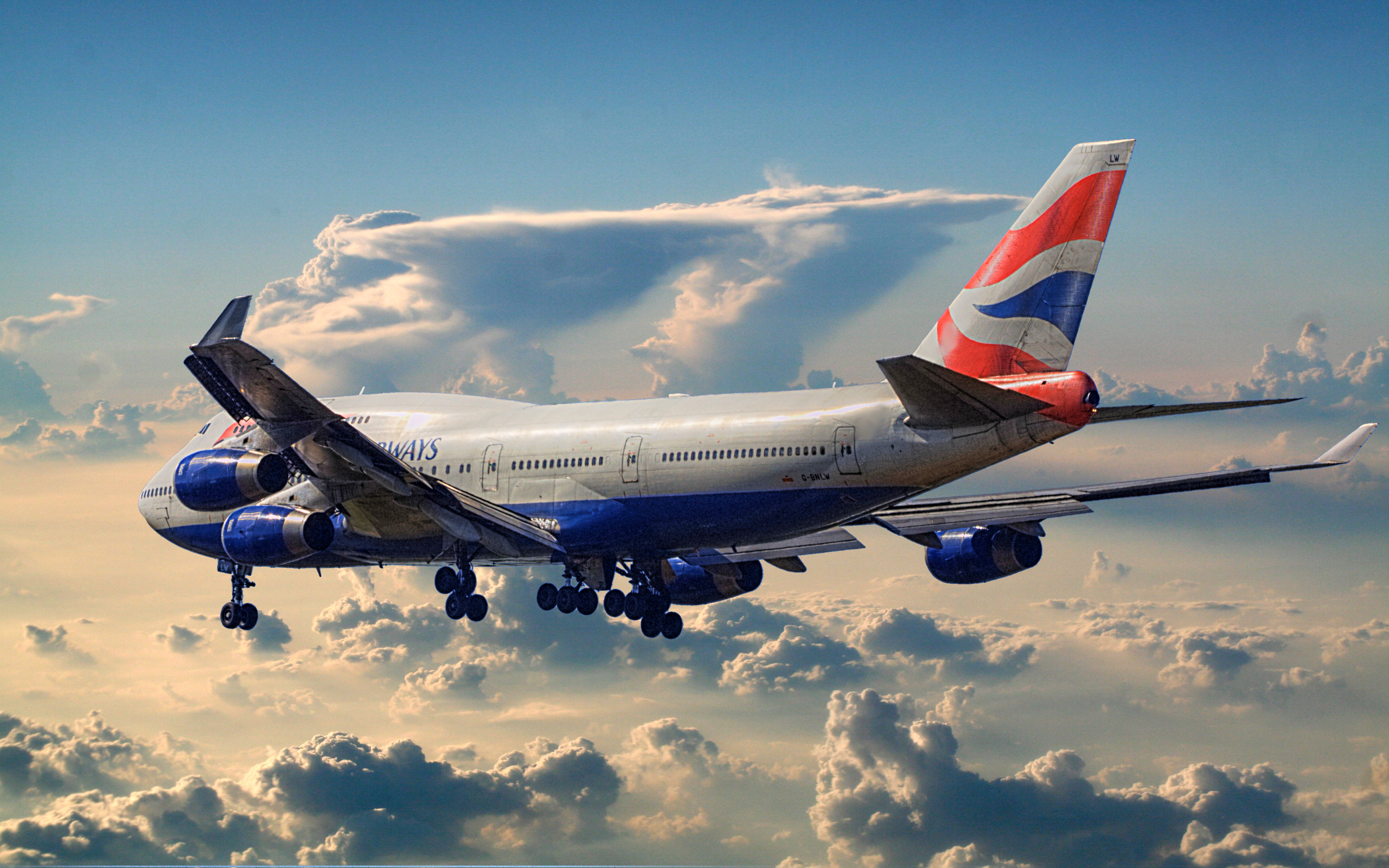
British Airways is to increase its direct weekly services to-and-from London’s Heathrow Airport and São Paulo on 1 June 2014 from seven to ten using 747-400s (photo). British Airways also offers a daily service between London and Rio de Janeiro.
The other airline offering direct non-stop service between London and São Paulo and Rio de Janeiro is TAM Airlines from Brazil.
As of 1 April 2014 both airlines will be members of oneWorld.
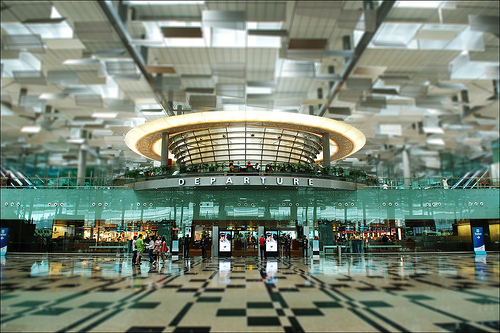
Good news for travellers heading for Rio de Janeiro. The city’s main international airport, Aeroporto Internacional Tom Jobim (Galeão) has been bought by the company that operates the award winning Singapore Changi Airport (photo), in partnership with the Brazilian construction company Odebrecht. The concession is for 25 years, and the new group promises some quick fixes for the aging airport before a major investment in improving facilities at the airport.
The company responsible for operating Zurich and Munich airports, in partnership with Brazil’s CCR, has bought Belo Horizonte’s Confins airport, which brings to a total of five the major Brazilian airports privatised by the government. The other three being Guarulhos and Viracopos in São Paulo, and Brasília.
As of Sunday (27 October) if you call one of the 28.5 million mobile phones in Rio de Janeiro (DDD 21,22 and 24) or Espirito Santo, you need to add an extra ‘9’ to the start of the existing eight numbers.
Nine digit mobile numbers will be the norm in all of Brazil by the end of 2016. The new ‘9’ was already introduced within the city and state of Sao Paulo (DDD 11, 12, 13, 14, 15, 16, 17, 18 and 19) in July and August 2013.
On 7 September 2013, Independence Day in Brazil, the International Olympic Committee (IOC) announced in Buenos Aires that Tokyo had been chosen to follow Rio de Janeiro as the host city for the 2020 Olympic and Paralympic games. Tokyo was chosen over Istanbul and Madrid, winning by 60 votes to 36 over Istanbul in the final vote.
It is a choice that is popular in Brazil as there are many historical links between Brazil and Japan with São Paulo having the largest Japanese population of any city outside of Japan. The first Japanese immigrants arrived in Brazil in 1908 and today Brazil is home to around 1.5 million people of Japanese descent, compared with just over 100,000 in the UK.
On 9 September it was announced that wrestling had been reinstated as an Olympic sport for the 2020 and 2024 Games after being voted in ahead of baseball/softball and squash.
Tokyo’s new Olympic Stadium will be finished by 2019 in time to host the Rugby World Cup.
The World’s 50 Best Restaurants programme announced its list of the 50 best restaurants in Latin America at a ceremony in Lima on 4 September 2013. D.O.M. was named as The S.Pellegrino Best Restaurant in Brazil as well as being ranked number 2 on the inaugural Latin America’s 50 Best Restaurants list.
São Paulo-based D.O.M. is headed up by chef Alex Atala, who is widely considered to be ‘the face of Brazilian cuisine’ and one of the world’s most influential chefs. At D.O.M. Atala has built a reputation for combining the most authentic Brazilian flavours with a contemporary approach.
At the awards event in Lima, Helena Rizzo, executive chef at fellow São Paulo restaurant Mani, which is ranked at number 5 on the list, received the Veuve Clicquot Latin America’s Best Female Chef Award. At Mani, Rizzo works with predominantly traditional Brazilian ingredients delicately treated with the latest techniques of international cuisine.
Brazilian restaurant Remanso do Bosque in Belém was given The Latin America’s One to Watch Award, sponsored by BBVA. Remanso do Bosque’s chefs Thiago and Felipe Castanho take inspiration from the proximity of the nearby forest, combining regional dishes with Amazonian flavours
In São Paulo the 50 best restaurants in Latin America included:
While in Rio de Janeiro the 50 best restaurants in Latin America included:
Festival do Rio, South America’s largest and most important film festival, has unveiled the line up for Première Brasil. Première Brasil is the only competitive section of Festival do Rio with jury prizes to be presented at the end of the festival. Three highly prized audience awards will also be bestowed on the best Brazilian feature film, best documentary and best short film.
Première Brasil, which has as its festival home the historic Odeon Petrobras (photo) in Cinelandia in downtown Rio de Janeiro, is the beating heart of Festival do Rio, and the best annual global showcase of contemporary Brazilian cinema.
This year’s Première Brasil includes eleven feature films, eight feature length documentaries and seventeen shorts in competition. A further three features and five documentary features will screen hors concours, while other Brazilian productions will screen in special Première Brasil sidebars such as Portraits and New Trends.
PREMIÈRE BRASIL | FICTION | COMPETITION
PREMIÈRE BRASIL | DOCUMENTARIES | COMPETITION
PREMIÈRE BRASIL | FICTION | HORS CONCOURS
PREMIÈRE BRASIL | DOCUMENTARIES | HORS CONCOURS
The Brazilian-French co-production, Amazonia, filmed in 3D and directed by Thierry Ragobert, has been chosen as the opening film for Festival do Rio.
Rio’s international film festival opens on 26 September and runs through 10 October 2013.
The film tells the story of Kong, a young monkey raised in captivity that survives a plane crash and must adapt to life in the Amazon. With a R$26 million budget (US$10 million), the film is the biggest production ever shot in the Amazon.
Amazônia is scheduled to close the Venice Film Festival on 8 September and will also screen in Toronto.